7 Signs It’s Time to Consider Home Care for a Loved One
In-Home Care
 By Nurse Next Door February 9, 2026
Over 24 million family caregivers are supporting seniors in the US. Many families struggle with the decision of whether or not to start home care for their senior loved one. On one hand, seniors may be reluctant to accept help. On the other hand, family members may think it is their duty to provide the care themselves. But in many cases, the need for care becomes inevitable. In this article, we’ll discuss the early signs that it’s time to consider professional senior home care, and how Nurse Next Door McLean can keep your loved one safe and supported.
What is Senior Home Care and Why Does it Matter?
Senior home care refers to personalized support for seniors that enables them to age in place with dignity. It matters because this type of care focuses on helping seniors maintain their independence, safety, and comfort, while managing their health needs and daily activities.
Sign # 1: Struggling with Daily Personal Care
An early sign that additional help is needed is when the senior has trouble bathing, grooming, dressing, or toileting. These struggles are caused by age-related health conditions like arthritis, mobility issues, problems with balance, incontinence, or Alzheimer’s and other forms of dementia. This is more common than you might think. Over 43% of seniors aged 80-plus face bathing disability.
Sign # 2: Memory Problems that Affect Safety
Approximately 40% of seniors in the US experience memory problems that interfere with their ability to properly care for themselves and engage in Activities of Daily Living (ADLs). The problems include:
- Frequent forgetting of medications or appointments
- Getting lost or wandering
- Other increased risks from confusion, such as leaving the stove on, forgetting to lock their doors at night, etc.
Nurse Next Door’s trained professional caregivers use multiple strategies when providing senior home care for a loved one with memory issues or cognitive decline. They allow the person to be as independent as possible while still providing an extra level of protection.
Sign # 3: Mobility Issues and Falls
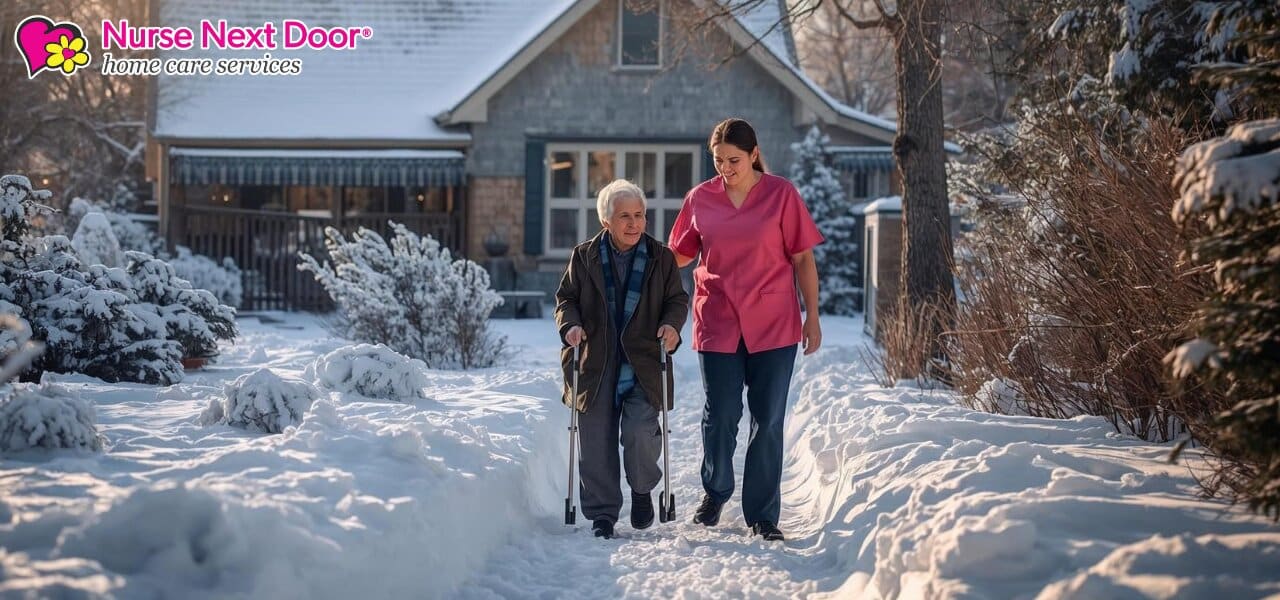
Limited mobility is the most common disability among seniors, and the risk increases with age. Besides this, falls are the biggest cause of both fatal and nonfatal injuries among seniors. If your loved one has an unsteady gait, has started to fall more often, or is increasingly socially withdrawn or isolated because of mobility problems or fear of falling, then it is definitely time for more support.
A large part of Nurse Next Door’s senior home care is mobility support, which may include walking with the person, pushing their wheelchair, etc. The primary goal is to remove mobility struggles as a barrier to living the fullest, most independent life possible.
Sign # 4: Poor Nutrition and Weight Loss
Malnutrition is often caused by age-related physical and mental challenges. Warning signs might include:
- Forgetting to eat
- Physical, cognitive, or mobility issues that make meal planning, shopping, food preparation, and cleaning up difficult or dangerous
- Spoiled food in the fridge
- Dehydration
Nurse Next Door McLean offers home care assistance for seniors that includes cooking, grocery shopping, feeding, and hydration.
Nutrition Tips to Manage Diabetes and Blood Pressure in Seniors.
Sign # 5: Isolation and Loneliness
One of the major problems of aging is often a growing sense of isolation and feeling lonely. Contributing factors include poor health, mobility challenges, loss of friends and family, and loved ones moving away. Warning signs include social withdrawal and emotional decline.
Seniors need to stay socially active because there are several health risks associated with isolation, including heart disease, diabetes, stroke, anxiety, depression, suicidality, dementia, and even earlier death.
Sign # 6: Neglected Housekeeping
Chronic conditions associated with getting older can make it much harder to handle the day-to-day responsibilities of running a home. Signs that in-home care for elderly parents is essential:
- Clutter
- Overflowing trash
- Dirty dishes
- Accumulated laundry
- Neglected maintenance
- Missed bills
All of this can be a dangerous and unsanitary combination that puts your loved one at risk of falls, accidents, and health problems. When Nurse Next Door McLean provides home care assistance for seniors, it includes light housekeeping, greatly reducing the burden on seniors and their families.
Sign # 7: Family Caregiver Stress and Burnout
In the beginning, it is usually adult children providing in-home care for elderly parents. Because they typically have families of their own, it can seem as if there aren’t enough hours in the day to handle everything that needs to be done. Many family caregivers have trouble balancing caregiving and a full-time job. And that’s not the only responsibility that ends up being neglected. Other family and social obligations often go by the wayside.
If you are a family caregiver, it’s easy to feel overwhelmed. If you are emotionally and physically exhausted, or if your health is suffering and you have no time for self-care, then these are red flags that you need professional support. You are not alone. Nurse Next Door McLean is your most-trusted resource in Northern Virginia that can help lighten your load.
Consider Nurse Next Door McLean’s Personalized Senior Home Care
At Nurse Next Door McLean, we specialize in senior home care. We empower your loved one to age in place with dignity, independence, and respect. They can receive the care they need and deserve, in the privacy, convenience, and safety of where they feel most comfortable. If their needs change, we also offer skilled nursing care and medication management. If you feel that your loved one needs more help than your family can provide alone, call us now at (703) 774-9421.
Frequently Asked Questions (FAQs)
What is the difference between home care and home health care?
Home care helps seniors perform ADLs, while home health care addresses any medical issues they may be facing and includes skilled services.
Does Medicare cover non-medical home care?
Original Medicare doesn’t cover non-medical home care, unless it is part of a plan that also includes skilled medical care or therapy.
How can I ensure the caregiver is safe and trustworthy?
Nurse Next Door McLean only employs caregivers who have been highly trained and who have been cleared through a background check.
How do I know if my loved one needs home care?
If you feel that the physical and emotional well-being of your loved one is beyond the capability of your family, help is available.