Why Should Seniors Avoid Processed and Junk Foods?
In-Home Care
 By Nurse Next Door January 14, 2026
Research indicates that 1 in 4 seniors in the United States face malnourishment. As we age, food starts to affect our bodies differently. Something we could eat in our 40s without a problem might suddenly cause discomfort to us in our 70s. There’s also the risk of spikes in blood sugar levels or blood pressure.
Processed and junk foods are a big reason for this. They’re easy to grab, and they taste good, but they’re so frequently loaded with salt, sugar, and unhealthy fats. Over time, relying on junk foods quietly wears the body down.
For seniors, that wear and tear adds up much faster because their bodies don’t have the same level of adaptability.
Those who consume a lot of ultra processed food are 10% more likely to die due to heart disease or diabetes. Knowing what to avoid and why can make old age much easier. In this article, we’ll help you understand junk and processed food health risks and how home care services in McLean can help with maintaining a healthy diet.
What Do We Mean by Processed and Junk Foods?
Not every processed food is bad. Frozen vegetables or canned beans are processed, but they still have nutritional value. The real problem is heavily processed or ultra-processed foods. These are foods that go through a lot of manufacturing, and they almost always include ingredients you wouldn’t use at home.
Here are some examples:
- Chips and snacks
- Fast food
- Sugary cereals
- Frozen dinners
- Soft drinks and sweetened juices
- Packaged cookies and pastries.
Ultra-processed foods have been linked with faster cognitive decline in old age. Remember that these foods are designed for convenience and long shelf life, not for keeping seniors healthy.
Why Are These Foods Harder on Older Bodies?
Reduced Nutrient Uptake from the Gut
As we age, our digestion slows down, and our bodies don’t absorb nutrients as well. That’s why seniors actually need a higher intake of essential nutrients. But they need fewer calories. Processed foods do the opposite. They give lots of calories with very few vitamins or minerals.
The result? Nutrient deficiencies, fatigue, weakness, and slower healing.
More Inflammation, More Discomfort
Processed foods increase inflammation in the body. Inflammation is one of the key drivers of the discomfort seniors experience with heart disease, arthritis, and even memory problems.
Seniors can have bloating, acid reflux, or stomach discomfort after eating processed meals. Such foods increase oxidative stress in their cells, speeding up age-related damage and inflammation.
The Biggest Processed Food Health Risks for Seniors
Too Much Salt and Rising Blood Pressure
Most people don’t know how much salt is hiding in processed foods. According to the FDA, more than 70% of the sodium in an average American diet comes from packaged and prepared food items, not from the table salt we use while eating or cooking.
For seniors, excess salt causes many problems, such as:
- High blood pressure
- Swollen legs and feet
- Strain on the heart and kidneys.
All of this means a much higher risk of heart attack and stroke.
Challenges in Maintaining Blood Sugar Control
Most of the processed foods you see in the market today are made with refined carbohydrates and added sugars. They bring about quick spikes and drops in blood sugar.
Steady blood sugar control becomes harder with age. With sudden changes in blood sugar levels, seniors can face dizziness, weakness, confusion, and even falls at times. For seniors with diabetes or prediabetes, this is especially risky.
Weight Gain and Muscle Loss
Processed foods are usually very low in protein. Over time, this reduces muscle building and increases fat deposits in your body. Less muscle means less strength, poorer balance, and again, a much higher risk of falls in seniors.
Why Are Fried and Fatty Foods a Problem?
Fried foods and foods high in unhealthy fats are especially tough on aging bodies. They’re harder to digest, and they can easily worsen cholesterol levels.
Such foods will make you feel sluggish, nauseous, or uncomfortable when you’re over 60. They will increase inflammation and put extra strain on the heart.
Healthier Choices That Don’t Feel Extreme
Eating better doesn’t mean giving up everything enjoyable. Consider these simple swaps:
- Chips → nuts or popcorn
- Soda → water with lemon or herbal tea
- Store-bought desserts → fruit with yogurt
- Frozen meals → simple home-cooked meals with vegetables and protein
These choices support health without making food feel boring.
Top 5 High Protein Meals for Seniors
How Senior Home Health Care Services Can Help
Managing the health, nutrition, and dietary needs of seniors can be overwhelming for many families. Shopping, cooking, and monitoring the diet take time and energy. After understanding the processed food health risks, the next key step is to hire professional caregivers to help with:
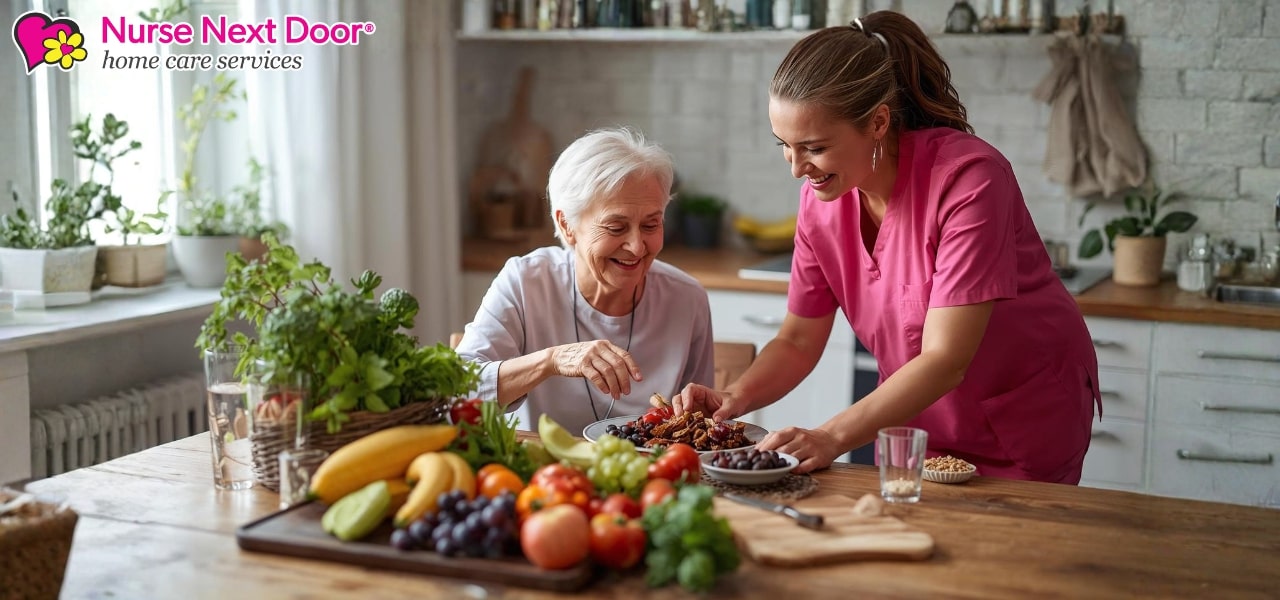
- Meal preparation
- Feeding
- Encouraging regular eating
- Supporting special diets
- Making sure seniors stay hydrated
With professional help, seniors can eat better while staying comfortable at home.
Consider Nurse Next Door McLean
Good nutrition keeps seniors independent and active. Nurse Next Door McLean is available to help your loved one maintain a healthy routine through senior home health care services in Virginia. We offer support with preparing meals, grocery shopping, feeding, hydration, Activities of Daily Living (ADLs), and overall well-being. We can do all of this without compromising seniors’ independence and dignity.
Call us today at (703) 774-9421 to book a Free Caring Consult.
FAQs
What foods should the elderly avoid and why?
Seniors should avoid heavily processed foods because they are high in salt, sugar, and unhealthy fats.
Why is it important to avoid processed foods?
They increase the risk of dying or becoming dependent on your family as you get older. Heart disease, diabetes, and poor digestion can all affect a senior who is not following the right diet.
Why should the elderly avoid fried and fatty foods?
These foods are harder to digest. Plus, they raise cholesterol and increase inflammation throughout your body.
Why is it important to avoid junk food?
Junk food lacks essential nutrients. Seniors have higher nutrient requirements than younger adults in most cases. Plus, junk food contributes to weakness and chronic health problems.