The Importance of Physical and Occupational Therapy for Seniors
PT & OT
 By Nurse Next Door January 26, 2026
One out of every three seniors aged 70 or older struggles with limited mobility. Often, mobility issues can be so severe that they interfere with the person’s ability to perform Activities of Daily Living (ADLs). Finding ways to stay mobile and physically active is important for maintaining independence, reducing hospitalizations, and aging in place with dignity and comfort.
There is good news, however. Physical and occupational therapy have been shown to slow functional decline and improve overall quality of life for seniors. In this article, let’s take a look at occupational therapy vs physical therapy, and how home care services in McLean ensure healthy and happy aging.
How Aging Impacts Physical Function
For most people, a natural part of getting older is having to slow down their activities due to infirmities and physical challenges. Unless directly addressed, these issues can interfere with other areas of their life.
Natural Age-Related Changes
Most seniors experience some level of physical decline due to factors such as loss of muscle mass, decreased bone density, reduced joint flexibility, less energy, and slowed healing.
Illnesses Associated with Aging
Mobility and the ability to perform ADLs can also be impacted by many common age-related illnesses and chronic conditions, including:
- Osteoporosis
- Osteoarthritis
- Parkinson’s Disease
- Diabetic Peripheral Neuropathy
- Heart Disease
- Breathing problems
- Stroke
- Obesity
- Alzheimer’s Disease and other forms of dementia
Injuries and Wounds
A long life invariably means a long list of nagging or even disabling ailments, including injuries from accidents or falls, surgical recovery, broken bones, sprains, and pulled muscles.
The Consequences of Functional Decline
Alone or in combination, each of these factors can cause pain, weakness, decreased range of motion, reduced or lost function, limited mobility, and compromised independence. Research has shown that prolonged physical inactivity contributes to the progression of chronic disease.
The biggest consequence of these issues is increased risk of falls, which is the most common cause of injury for seniors.
If the injury is serious enough, it can lead to hospitalization, disability, need for long-term care, and even death.
The Role of Physical Therapy
Staving off the functional decline associated with aging often starts with structured and professionally supervised physical therapy.
How Physical Therapy (PT) Helps Seniors
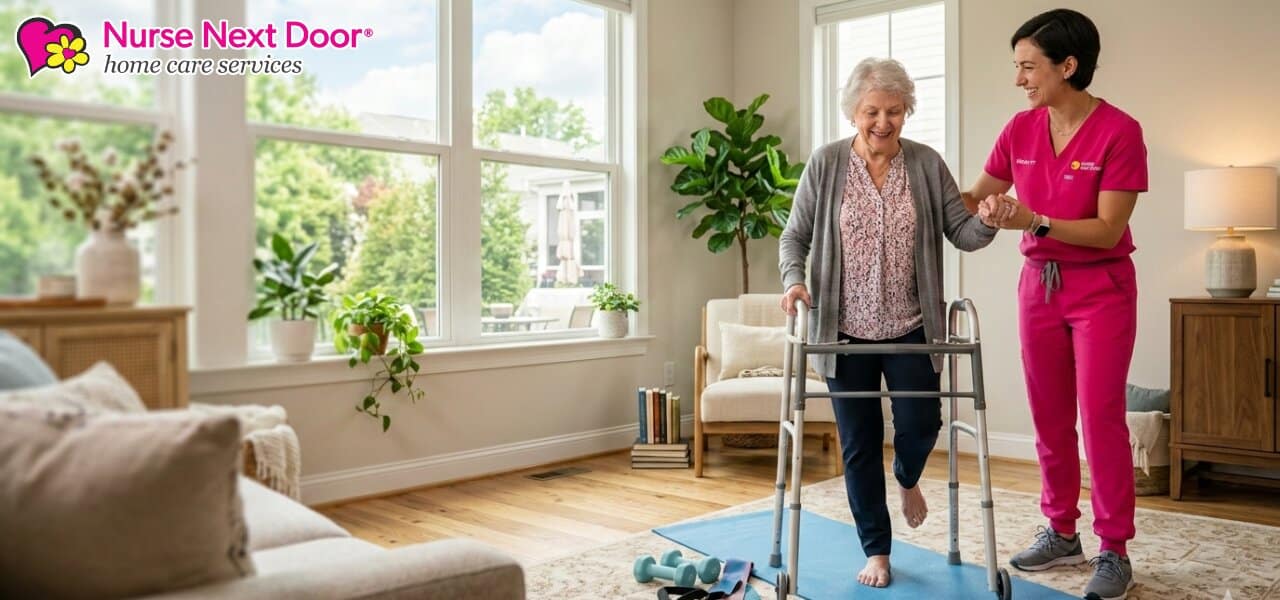
The goal of physical therapy for senior citizens is to improve or restore the person’s strength, endurance, balance, and gait. PT is highly customizable to meet the individual’s specific medical needs, abilities, and goals.
All You Need to Know About Physical Therapy for Ataxia
Evidence-Based Benefits
Research shows that evidence-based physical therapy reduces the likelihood of falls. Fewer falls means a decreased risk of injury, hospitalization, disability, and death.
Specific interventions, such as strength and balance training, improve the person’s functional independence.
In-Home Physical Therapy
Once upon a time, the only way to receive physical therapy was to travel to a hospital, clinic, or facility. Now, professional therapists can come to you, and you can receive services in the comfort, convenience, and privacy of your own home.
For seniors facing mobility issues, in-home physical therapy eliminates a major barrier to treatment.
The Distinct Role of Occupational Therapy in Senior Care
Once physical therapy has helped the person regain some of their strength, balance, motion, and function, the next step is professionally-guided occupational therapy (OT).
What Does Occupational Therapy Focus On?
While PT helps you regain or improve your physical capabilities, OT helps you relearn how to put those capabilities to use.
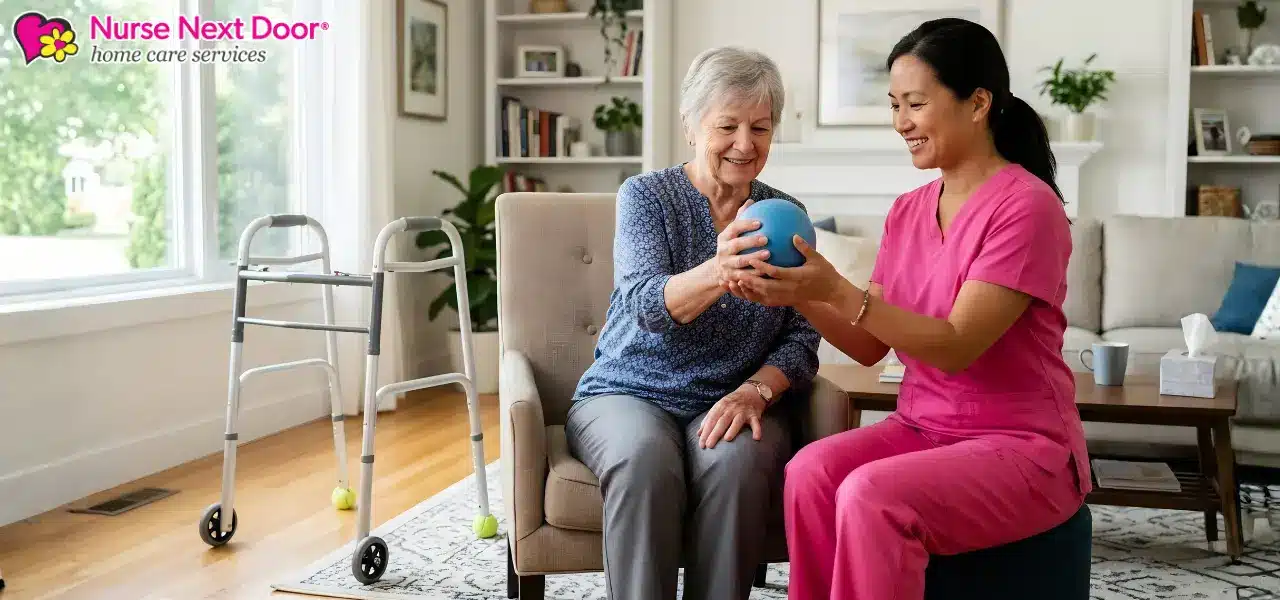
This means that sessions typically focus on exercises and activities related to ADLs – walking, fine motor control, cognitive retraining, and practical skills.
Safety and Home Modifications
Relearning how to walk or how to safely use an adaptive device means evaluating the home environment and making any necessary changes.
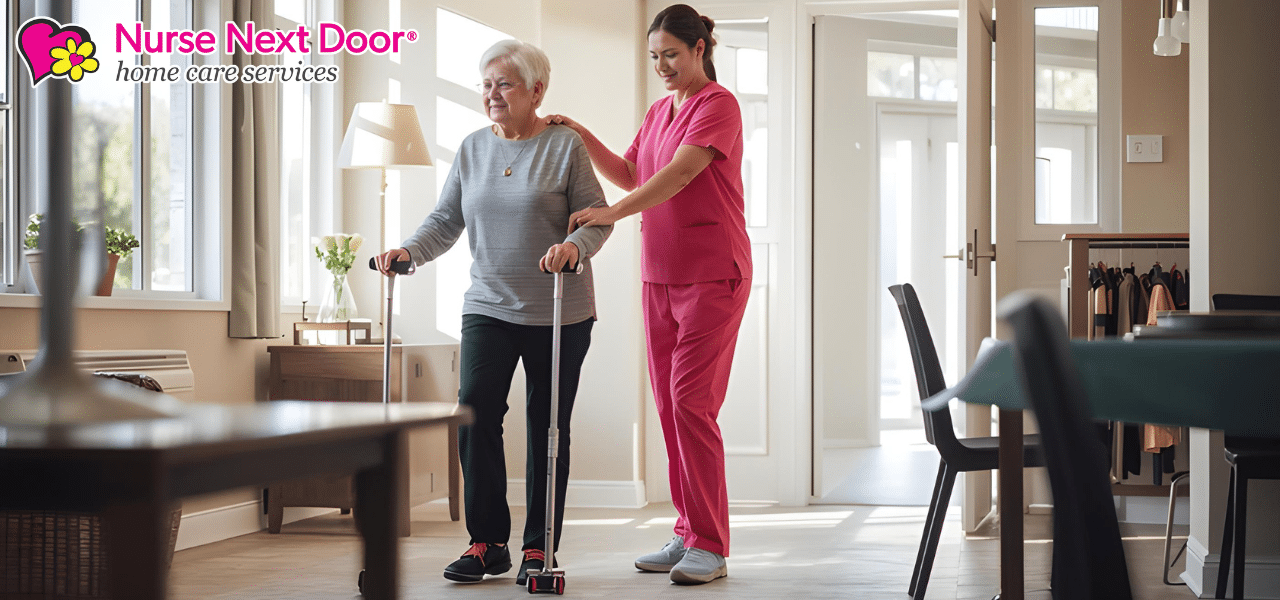
One of the priorities of OT is fall prevention, and a therapist may recommend several strategies and modifications, such as decluttering, grab bars, and adaptive equipment such as canes, walkers, or wheelchairs.
Occupational Therapy Vs Physical Therapy
So what are the differences between PT and OT?
Think of physical therapy for senior citizens as the foundation that supports safe independence. It focuses on helping you regain your strength, balance, range of motion, and mobility.
Now think of occupational therapy as building on that foundation. Once you have regained a measure of your physical abilities, occupational therapy focuses on improved daily function and safety.
How Physical Therapy and Occupational Therapy Work Together
PT and OT are part of a complementary care model, meaning they work in collaboration, not competition.
PT restores your physical capability, while OT teaches you how to use that restored ability in your daily life.
As a real-world example, after a hip fracture, physical therapy would help you regain your ability to walk, while occupational therapy would retrain you to safely perform such activities as bathing, dressing, and transferring to and from your bed and/or a chair.
Therapy’s Role in Preventing Institutionalization
By keeping you safe and reducing your risk of falls and other accidents, PT and OT prevent injuries, disability, compromised independence, and ultimately, the need to be placed in a full-time care facility, i.e, a nursing home.
In other words, structured and professionally-guided physical and occupational therapy support you safely and help you successfully age in place with dignity.
Therapy with Nurse Next Door McLean Means Investing in Your Independence
PT and OT help you stay safe, maintain your dignity, maximize your quality of life, and prolong your independence. Keep in mind that early intervention and consistent effort are the keys to success. The sooner you start receiving physical and occupational therapy from Nurse Next Door McLean, the sooner you can see improvement.
As your most-trusted home care resource in Northern Virginia, Nurse Next Door McLean supports you as you receive therapy through a customized care plan, offering compassion, encouragement, guidance during exercises, and flexible services that fit your needs and your lifestyle. We provide multiple types of therapies at home, ranging from geriatric physiotherapy to postoperative rehabilitation.
To learn more about how in-home physical and occupational therapy can help you regain your independence,
call us today at (703) 774-9421!
Frequently Asked Questions (FAQs)
What is the role of occupational therapy in the elderly?
Occupational therapy supports independent aging in place by helping you regain your ability to perform Activities of Daily Living (ADLs).
Why is physical activity important for seniors?
Physical activity supports restored mobility, improves brain health, lessens the risk of falls and injuries, and reduces the likelihood of chronic diseases such as obesity, heart disease, diabetes, and depression.
Does therapy help seniors remain independent?
Yes. Therapy improves mobility scores, supports independent self-care, and reduces accidents, injuries, and hospital readmissions.