Are In-Home Senior Wound Care Services Safe and Reliable?
Wound Care
 By Nurse Next Door January 29, 2026

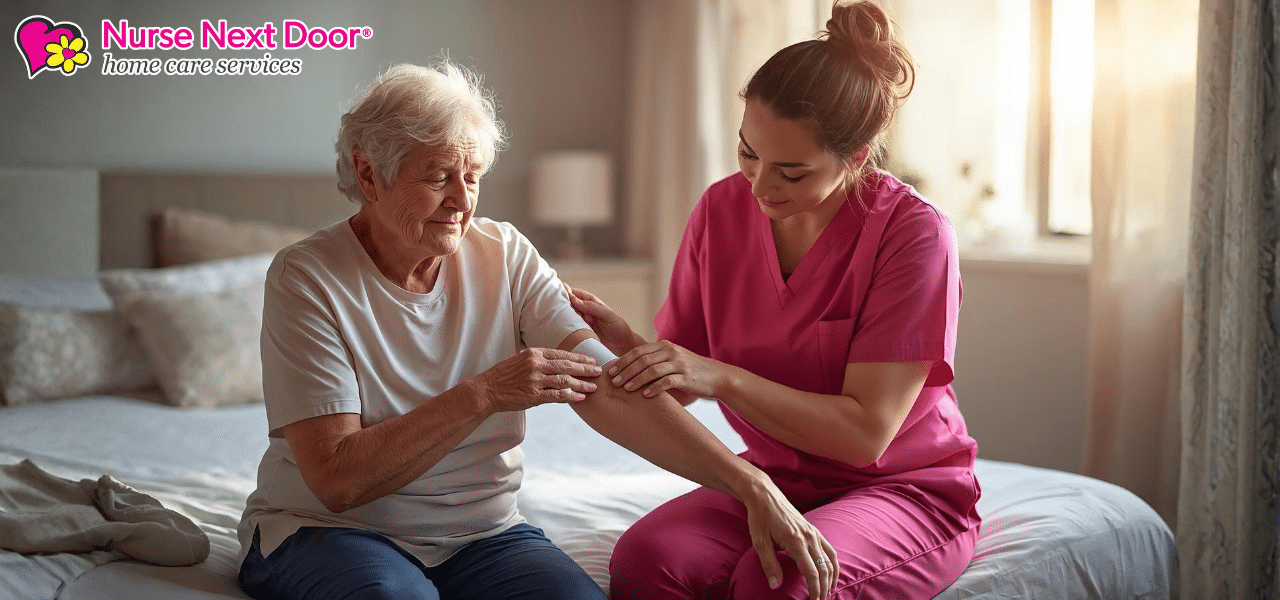
In the US, 3% of seniors have open wounds. Sometimes your loved one gets a small scrape, and you take care of it with a quick clean and a small bandage. But a week later, the wound is still there or worsens. This leaves you wondering if you missed something important. That’s the story of so many families. Aging skin heals much more slowly. For seniors, circulation isn’t nearly as good as it used to be back in the day. Some seniors also have diabetes, which means they can’t quickly sense injury to their hands or feet.
Plus, they have extremely fragile skin that tears easily. So yes, caring for a wound at home can feel like a struggle. It is possible to manage wound care at home, but only if families know what to do and when to call for help. The reassuring truth is that in-home wound care can be safe and effective when it’s provided by professional home health care providers in Virginia like Nurse Next Door Mclean.
What Is In-home Wound Care?
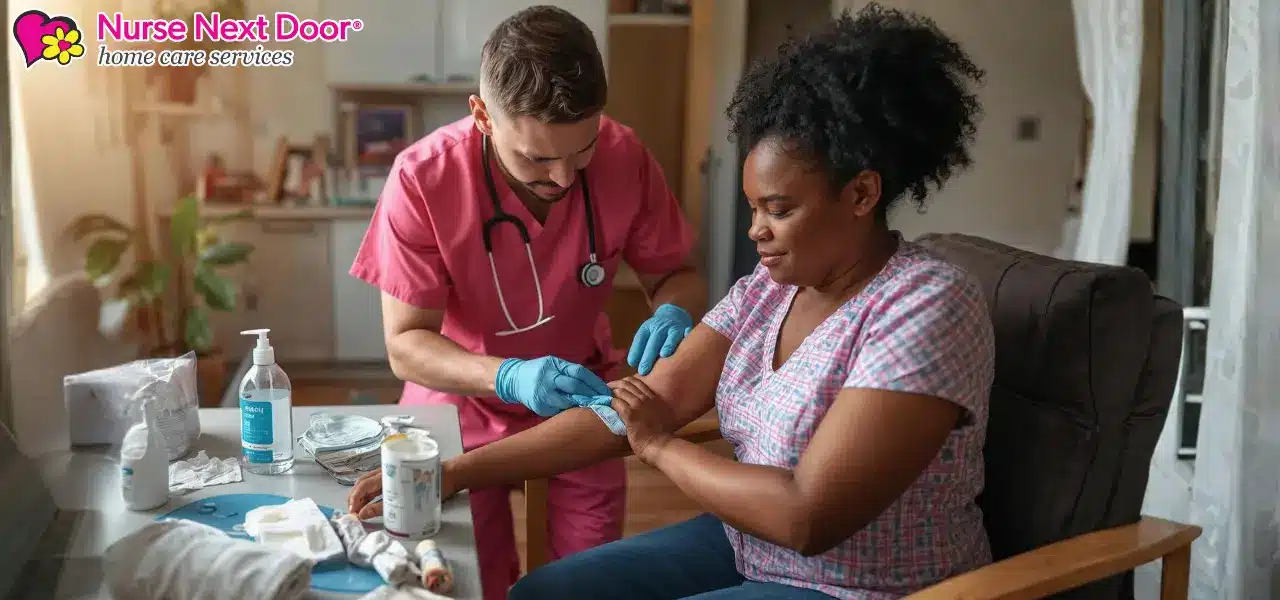
In-home wound care isn’t very complicated, but it does require consistency. Most of the time, it comes down to doing the same simple steps like using clean hands, maintaining hygiene, the right dressing, and timely changes. In-home wound care services take steps to protect the skin around the wound. They’ll also provide pain relief, and keep track of changes in the wound, including whether pus collection is increasing or the redness is spreading.
How to Make Home Wound Care Safe
Home care is a good option when a physician has already examined the wound, and you’ve received the doctor’s orders. Even if the wound is being cared for at home, someone should still be checking progress, especially if healing is slow.
First, keep germs out. No compromise on washing hands before and after any dressing change. You need to be using clean supplies and not reusing items that are meant for one-time use. Secondly, protect the surrounding skin. Tape can irritate older skin, and rubbing can tear it. A good wound care plan uses the right dressing and avoids anything that harms the healthy skin around the wound. When these basics are in place, wound care at home will become much more manageable, safe, and effective.
Monitor for the Warning Signs
Some wounds need extra supervision and care because they’re relatively high-risk. This is especially true if the senior has diabetes. Seniors with diabetes have poor circulation and a weakened immune system, and they frequently develop pressure injuries. And certain warning signs need attention quickly:
- Fever
- Spreading redness
- A bad odor
- New drainage that looks like pus
- Increasing pain
- Confusion that’s new or worse
If you see these, don’t try to push through a few more days. Delaying treatment or expert care when red flags appear is where things can turn unsafe.
How Wound Care Nursing Changes the Outcome
A trained wound care nurse will assess the wound with the skill that most families don’t have. They also help choose dressings that match what the wound actually needs, and that can make a real difference. When something changes, there’s someone who can flag it early.
What Do Families Gain From In-Home Wound Care Nursing?
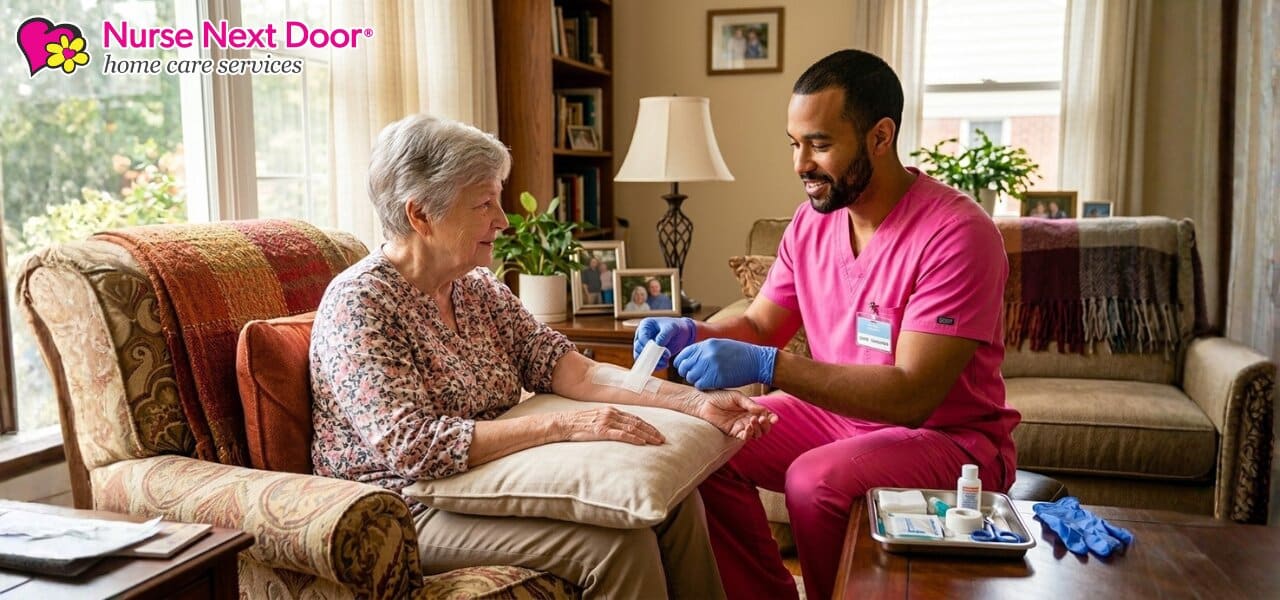
With seniors wound care at home, seniors don’t have to travel a long way for every small step. Dressing changes are always on schedule. Hydration and nutrition are already being taken care of, and all this leads to fewer hospitalizations. With wound care nursing at home, seniors stay much calmer and get worried way less. Routine and familiar surroundings help a lot.
Reasons to Book an RN Through Nurse Next Door McLean
Our trained and experienced Registered Nurses (RNs) follow standard precautions and procedures every time:
- Clean hands
- Appropriate protective equipment when needed
- Timely dressing changes
- Monitoring the wound throughout healing
- Safe disposal of biohazardous material, such as removed dressings, cleaning swabs, etc., according to state policy
- Clear documentation
- Effective and advanced wound care techniques
- And a habit of not cutting corners
If your loved one needs extra support while healing, Nurse Next Door McLean’s RNs are available 24/7 at a schedule that suits you.
Call us today at (703) 774-9421 to schedule the first visit.
FAQs
Can wound care be done at home?
Yes, especially if you get a healthcare professional to assess, monitor, and take care of the wound.
What are the safety measures for wound care?
Clean hands, clean supplies, correct dressings, skin protection, and fast action when warning signs appear.
What is the benefit of having someone to care for an elderly person in their home?
With this approach, seniors stay comfortable, avoid the risk of infections, and don’t have to face unnecessary traveling or waiting.