Based Physical Therapy Exercises for Stroke Patients
PT & OT
 By Nurse Next Door May 26, 2026
Do you know that around 40% of stroke patients experience functional impairment? Recovering from a stroke requires patience and the right kind of support. While hospital care is the foundation, real progress often takes place at home, where familiar surroundings can speed up healing. In-home physical therapy is an effective approach for stroke survivors who want to regain strength, balance, and independence without the stress of multiple clinic visits.
For many families, performing therapy exercises at home feels more comfortable and less overwhelming. It allows the patient to move at their own pace, surrounded by loved ones who provide motivation. With consistent practice, proper guidance, and in-home physical therapy in Arlington, VA provided by experts like Nurse Next Door McLean, you can recover fully and quickly at home and the surrounding communities.
Key Statistics and Facts About Stroke Recovery
The following facts and figures can help you understand why in-home physical therapy matters:
- According to the CDC, more than 795,000 people in the United States have a stroke each year, and stroke remains a leading cause of long-term serious disability.
- The American Stroke Association reports that about 80 percent of strokes are preventable with healthy lifestyle changes and proper medical care.
- Two-thirds of stroke survivors leave the hospital with some level of disability, making rehabilitation essential.
- Research indicates that the greatest motor recovery typically happens in the first 3 to 6 months after a stroke, though meaningful gains can continue for years with ongoing therapy.
Understanding Stroke Rehabilitation
A stroke occurs when blood flow to the brain is interrupted, either by a clot (ischemic stroke) or a ruptured vessel (hemorrhagic stroke). Within minutes, brain cells begin to die, often leaving survivors with:
- Weakness on one side of the body
- Slurred speech
- Vision changes
- Difficulty walking
After the immediate medical crisis passes, it’s important to focus on rehabilitation. The brain has a remarkable ability called neuroplasticity, which means it can form new connections and relearn lost skills. However, this healing only takes place through repetition and consistent movement.
Stroke survivors face several common challenges during recovery, including muscle stiffness, poor coordination, balance issues, fatigue, and trouble with fine motor tasks like buttoning a shirt or holding a spoon. These hurdles can feel discouraging, but they are not permanent for most people.
Consistency is the most important factor in rehabilitation. Skipping sessions or waiting too long between exercises can slow recovery and lead to muscle tightness. That is why establishing a daily routine matters so much.
The Importance of Early Physical Therapy for Stroke Patients
Benefits of In-Home Physical Therapy Exercises
Opting for physical therapy at home brings advantages that go far beyond convenience. Patients can exercise in comfortable clothing, take breaks when needed, and avoid the exhaustion of traveling to a clinic, hospital, or facility. This is especially helpful for seniors who tire quickly. Physical therapists can also tailor exercises to the patient’s home environment, addressing real obstacles like stairs, narrow hallways, or a favorite armchair the patient wants to get in and out of independently.
Being surrounded by family, pets, and familiar belongings reduces anxiety and depression, both of which are common after a stroke. Regular home exercise also lowers the risk of complications like blood clots, pneumonia, and pressure sores, which means fewer trips back to the emergency room. With this approach, loved ones can also learn the techniques, offer encouragement, and provide the kind of emotional support that no clinician can match. Nurse
Next Door McLean can match you with the most suitable and trained physical therapists in Arlington, Virginia, who provide personalized therapy based on your exact needs.
Recommended Home-Based Physical Therapy Exercises for Stroke Patients
The following exercises are commonly recommended by physical therapists. Always check with a licensed professional before starting any new routine.
Range-of-Motion Exercises
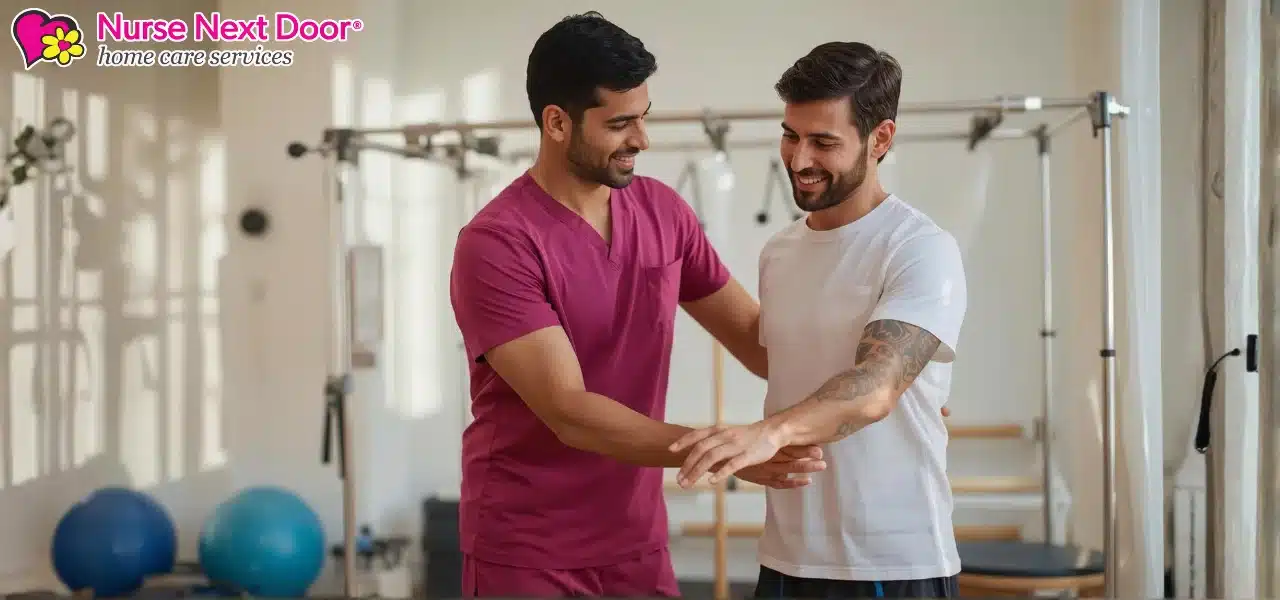
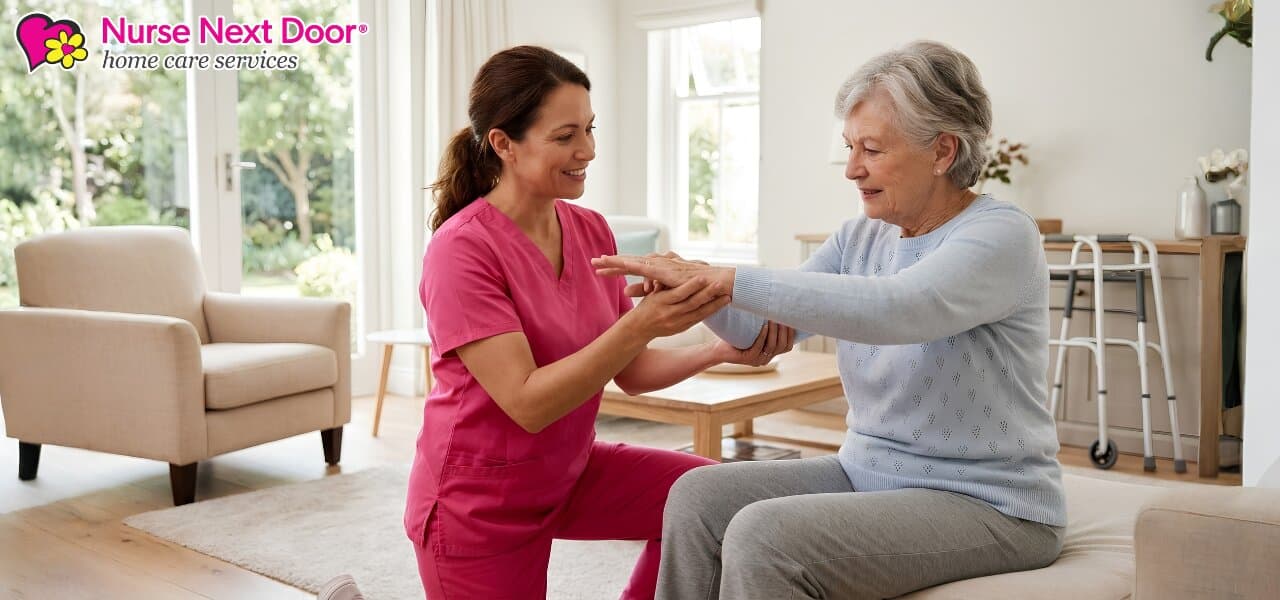
These gentle movements keep joints flexible and prevent stiffness. The patient (or caregiver) slowly moves each joint through its full range, such as bending the elbow, rotating the wrist, or circling the ankle. Doing this twice a day helps maintain circulation, prevents contractures, and preserves joint health.
Shoulder Strengthening Exercises
Many stroke survivors lose strength on one side of the upper body. Simple movements like shoulder shrugs, arm raises, and wall push-ups (standing close to a wall) can rebuild muscle tone. Resistance bands add gentle challenges as strength improves. These exercises restore the upper body strength needed for dressing, reaching, and self-care.
Balance and Coordination Training
Balance often suffers after a stroke. Standing exercises near a counter, such as shifting weight from one foot to the other or rising slowly from a chair without using the hands, retrain the body to stay steady. Heel-to-toe walking along a hallway also helps reduce fall risk and rebuild confidence in movement.
Leg Lifts and Seated Marches
Sitting in a sturdy chair, the patient lifts one knee at a time as if marching in place. Straight-leg raises while seated also strengthen the thighs. These exercises improve hip stability and prepare the body for standing and walking.
Hand Grip and Finger Exercises
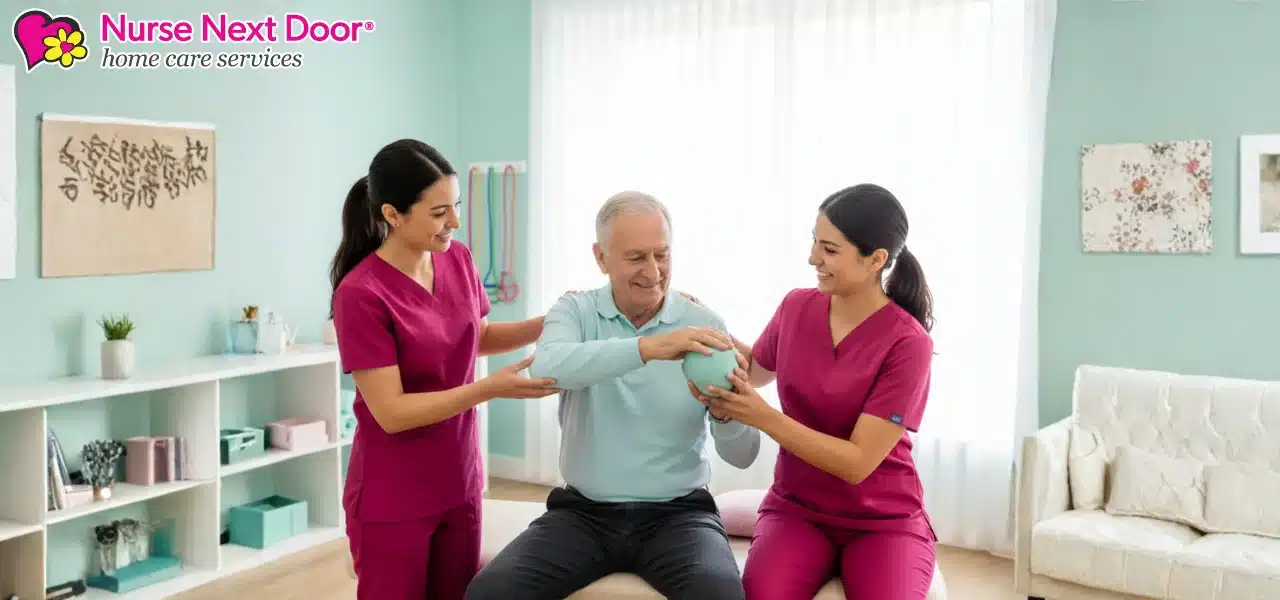
Squeezing a soft stress ball, picking up coins, or practicing finger taps on a table restores fine motor control. These small movements are essential for tasks like writing, eating, and dressing.
Walking
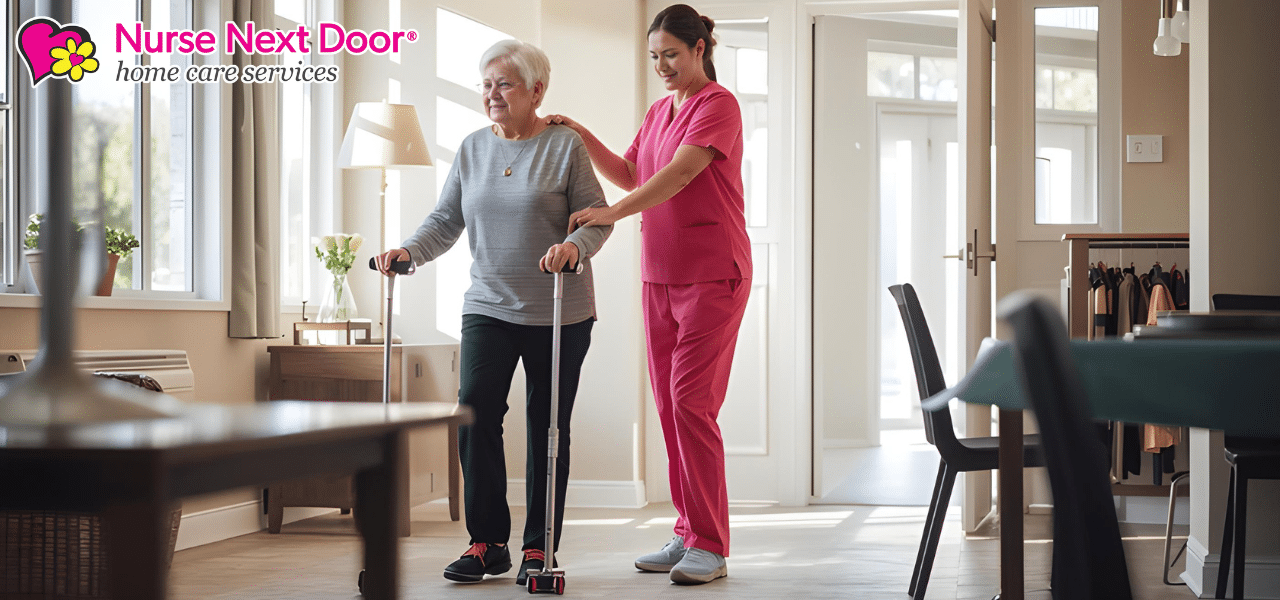
Short, supervised walks are among the most powerful rehabilitation methods. Start with a few steps between two chairs, then gradually increase distance. A walker or cane may be needed at first. Walking improves cardiovascular health, mood, and overall independence.
Stretching Routines
Daily stretches for the calves, hamstrings, and shoulders keep muscles loose and reduce pain. Hold each stretch for 20 to 30 seconds without bouncing. Regular stretching eases muscle tightness and improves flexibility over time.
Bed Mobility Exercises
For patients who spend significant time in bed, exercises like rolling side to side, bridging (lifting the hips), and sitting up from a lying position prevent weakness and pressure sores. These movements also build the strength needed for safe transfers.
How to Maintain Safety During Stroke Rehabilitation at Home
Consider removing things that can increase the risk of tripping, such as clutter, electrical cords, and rugs. Besides this, for the bathrooms, get non-slip mats and make them safer by installing grab bars. It’s also important to keep rooms well-lit, especially at night. Never let a stroke survivor exercise alone in the early stages of recovery. A caregiver or family member should be present to assist with balance and respond if dizziness occurs.
Assistive devices such as walkers, canes, gait belts, and ankle braces are not signs of weakness. They are tools that allow safer practice and faster progress.
Stop the exercise immediately and contact a doctor if the patient shows any of these warning signs:
- Chest pain or pressure
- Severe shortness of breath
- Sudden dizziness or fainting
- Numbness or weakness in any limb
- Confusion or slurred speech
These could signal another medical event and require urgent attention.
The Role of Caregivers and Family in Stroke Recovery
Besides physical therapists, caregivers, whether family members or professionals, also play an essential role in recovery at home. Emotional support is just as important as physical assistance. Stroke survivors often battle frustration, fear, and depression, and a patient, compassionate person can make a tough day bearable.
Celebrating small wins, like buttoning a shirt or walking to the mailbox, builds confidence and reminds the patient that progress is real. Many families turn to professional senior home health care services when the demands of full-time caregiving become overwhelming, ensuring their loved one receives expert attention without burning out the family.
Explore Nurse Next Door McLean’s Services
At Nurse Next Door McLean, we provide personalized in-home physical therapy in Arlington, VA, and beyond designed around each client’s unique needs, goals, and pace of healing. No two recoveries look exactly alike, and no two care plans should either. Our physical therapists provide professional rehabilitation support. They have the training and experience to help stroke patients recover at home. From assistance with the right physical therapy exercises to help with carrying out various activities of daily living (ADLs), we bring you comprehensive in-home care at home. Book a free consultation today by calling us at (703) 774-9421.
Conclusion
Home-based physical therapy exercises give stroke survivors an effective way to regain strength, balance, and confidence in the place they feel safest. From simple range-of-motion movements to walking practice and hand exercises, every small effort adds up to a full recovery.
Always work closely with licensed physical therapists and doctors to establish a routine that is safe and effective. With professional guidance, dedicated physical therapists, and consistent practice, recovery can be accelerated.
Frequently Asked Questions
How long does stroke recovery usually take?
The time it takes to recover varies from person to person. Most patients see the greatest improvements in the first three to six months, but many continue to make progress for years with consistent therapy, motivation, and family support.
Are home-based physical therapy exercises safe for all stroke patients?
Most exercises are safe when approved and guided by a licensed physical therapist. Always consult a medical professional before starting any routine, especially if the patient has heart conditions, severe weakness, or recent surgery.
How often should stroke patients perform physical therapy exercises at home?
Daily practice is ideal, even if the sessions are short. Most physical therapists recommend two to three sessions of 20 to 30 minutes per day, depending on the patient’s stamina, health, and energy levels.
When should we contact a doctor during in-home rehabilitation?
Contact a doctor immediately if the patient experiences sudden weakness, severe headache, chest pain, confusion, slurred speech, or any signs of a new stroke. Regular check-ins with the care team are also important to adjust the recovery plan as the patient recovers.