When to Consider Hospice Care at Home for Cancer Patients?
Companion Care
 By Nurse Next Door December 18, 2025
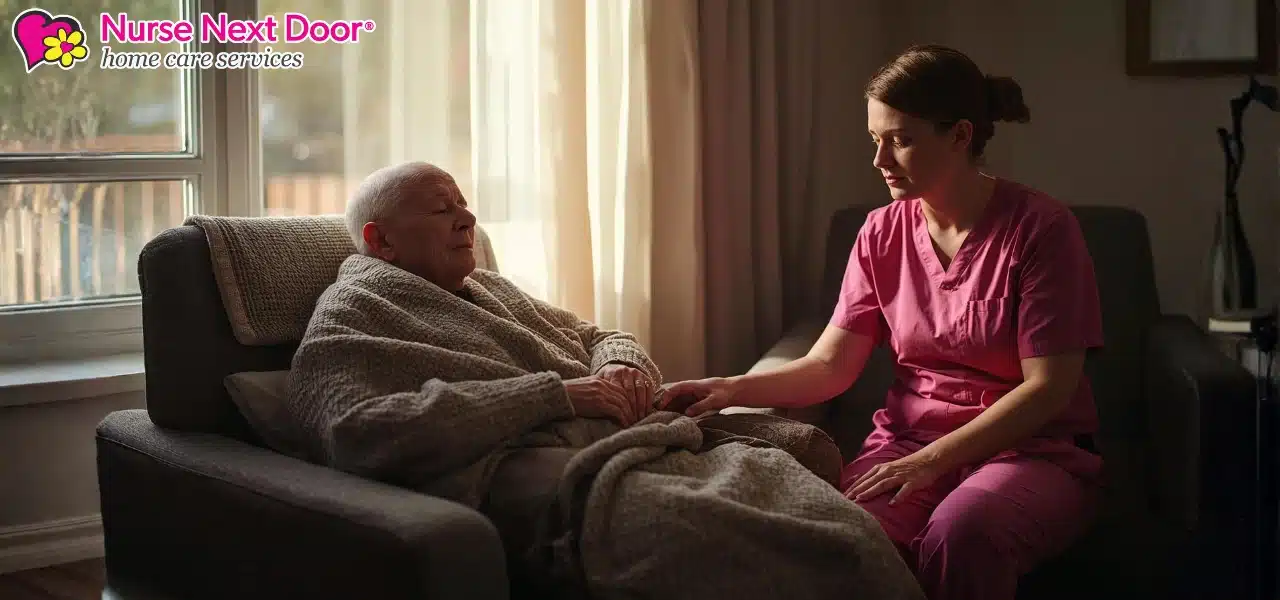
Almost 1 in 10 US adults has been diagnosed with cancer at some point in their life. Caring for a loved one with cancer, especially terminally sick patients with a debilitated condition, can affect you emotionally, mentally, and physically. That’s why it’s important to know when you should consider hospice care at home for cancer patients. Professional home healthcare agencies like Nurse Next Door McLean specialize in ensuring cancer patients can live the final chapter of their life with improved comfort and reduced pain.
What Should You Expect from In-Home Hospice Care?
Hospice care doesn’t mean you’re giving up on someone you love. It’s about shifting the goals of care and taking off some mental burden from yourself and your loved one so you can both feel better about the care plan. Hospice care options for cancer patients include skilled services from Registered Nurses (RNs), emotional support, and assistance with activities of daily living (ADLs). These services work together to improve the patient’s quality of life within the environment that they feel most comfortable in – their home.
The US was home to over 18 million cancer survivors in January 2022, and this number is projected to increase to over 26 million by 2040. However, many people don’t know much about hospice care options or how much they can help. They can improve symptoms, reduce pain for the patient, and also guide family members to help them take better care of their loved one. Patients can live their remaining days in comfort when expert hospice care, which is a type of palliative care, is available at home.
Ready for quality home care? Call Nurse Next Door McLean at (703) 774-9421 today.
Conditions and Signs It May Be Time for Hospice Care
So many families wait longer than they need to before talking to hospice care experts. The idea feels heavy, and it’s a difficult decision to make when you don’t know what to expect. These are some signs and conditions that you need to consider hospice care options for a cancer patient:
- It’s for terminally sick patients with a debilitated condition.
- The doctor has given an estimate of months rather than years.
- Typically, the life expectancy is 6 months or less as certified by the primary physician.
- The focus is on palliative care rather than curative treatment.
- The pain is becoming harder to control.
- Daily activities require more and more assistance from family.
- Hospitalizations and ER visits are getting more and more frequent.
- The patient is losing weight, strength, or energy over time due to end-stage disease.
Other Considerations and Rules for Receiving In-Home Hospice Care
Under Medicare, you can receive in-home hospice care up to six months before the cancer patient’s anticipated death. The earlier the patient begins benefiting from in-home hospice care, the more comfortable their final chapter of life will be. The doctor will determine if your loved one should opt for hospice care and whether it should be provided at a facility or at home. The RNs and caregivers follow the doctor’s orders to manage the patient’s pain and symptoms.
Benefits of Choosing Hospice Care at Home for Cancer Patients
Being at home gives patients a kind of peace that they can’t normally find in a facility. Their own bed, familiar smells, photos, pets, sunlight through the window – all of this makes life feel more livable. Choosing hospice care at home for cancer patients can improve their lives in several ways.
They’ll have the emotional ease of staying in a personal, meaningful space. Their loved ones can still be around them, and there won’t be any strict visiting rules or times. Care plans can be adjusted to fit the patient’s daily routine and personal needs instead of the other way round.
The patient doesn’t have to cope with hospital or facility noise and stay in an environment that makes them feel sicker than they are. At Nurse NextDoor McLean, we stay in touch with your doctor and provide them with the information they need about your current state. Our Registered Nurses (RNs) have the expertise, training, and experience to identify situations that require medical interventions.
10 Signs Death Is Near in Dementia & How Hospice Care Can Help
FAQs
1.How long can a cancer patient be on hospice?
Under Medicare, cancer patients receive hospice care for two consecutive periods of 90 days, followed by renewal of the service after every 60 days.
2. What happens when someone is put on hospice care?
Hospice patients receive palliative care during the last chapter of their lives. It focuses on managing pain and symptoms, ensuring comfort, and providing emotional support.
3. How to take care of someone in hospice?
The most important consideration while taking care of someone in hospice is to keep them as comfortable and happy as possible.
4. How long is transitioning in hospice?
While receiving hospice care, a person’s transitioning, also known as active dying, can range from hours to days, depending on their health.
How Nurse Next Door McLean Supports Cancer Patients and Their Families
From pain and symptom management to emotional support and personal care, Nurse Next Door McLean’s in-home hospice care for cancer patients focuses on keeping the patient comfortable and helping them live with dignity at home. Our Registered Nurses (RNs) and caregivers can meet the complex needs of cancer patients. Our holistic approach includes monitoring and managing symptoms, providing medication reminders, assisting with activities of daily living (ADLs), and respite care. We even try to assist with end-of-life transitions and fulfilling final wishes. Call us now at (703) 774-9421 to schedule a visit.