Can Nutrient IV Therapy Help Seniors Maintain a Healthy Weight?
IV Therapy
 By Nurse Next Door May 5, 2026

As we age, it becomes much harder to maintain a healthy weight. According to the Centers for Disease Control and Prevention (CDC), 38.9% of adults aged 60 or older experienced obesity. Many seniors find that what once worked for their body simply no longer does, metabolic changes, chronic health conditions, reduced physical activity, and a smaller appetite all play a role. Weight changes in seniors can lead to health concerns if not addressed promptly.
For families considering in-home senior care for their loved one, these factors make it challenging to support good nutrition. One option that is rapidly gaining popularity is senior IV nutrient therapy in Virginia. This treatment delivers fluids and vitamins directly into the person’s bloodstream. But is it really helpful for seniors trying to maintain a healthy weight? We’ll answer this question and help you understand how home healthcare agencies like Nurse Next Door McLean can help you maintain a healthy weight.
Understanding Weight Challenges in Seniors
What are some of the age-related changes that directly impact weight management?
- First, a person’s metabolism naturally slows over time. This means they burn fewer calories.
- Next, many older people experience sarcopenia – muscle loss that is tied to getting older. This condition affects strength and mobility, thereby further reducing their caloric need.
- Furthermore, seniors often have difficulty chewing or swallowing, making it difficult or even painful to eat.
- Certain physical and mental conditions, such as arthritis, stroke, or cognitive decline, can make cooking a struggle.
- Other chronic conditions, such as diabetes or heart disease, can mean the person has to observe an extremely strict diet.
- Finally, there are several prescriptions, antibiotics or blood pressure medications, for example, that can suppress a normal appetite or even alter the taste of certain foods.
And here’s the most significant part, these barriers often overlap. For example, a senior who already doesn’t have much of an appetite may also have trouble cooking for themselves. And when they do get hungry and finally make something to eat, their medication may make the food unappetizing.
What is IV Nutrient Therapy?
IV nutrient therapy delivers fluids, vitamins, and minerals directly into the bloodstream via an intravenous (IV) line, bypassing the digestive system, resulting in absorption that is faster and more efficient than eating food or taking oral supplements.
IV therapy has been used for decades to treat dehydration and nutritional deficiency. It includes:
- B vitamins (metabolism and energy)
- Vitamin C (immunity support)
- Electrolytes
- Magnesium (nerve and muscle function)
The Benefits of IV Nutrient Therapy for Seniors
While nutrient IV therapy is not considered a direct method to lose or gain weight, it potentially helps address the underlying issues that impact healthy weight stability.
Improved Hydration
Dehydration is a common, yet underreported, problem among seniors. Even being mildly dehydrated can reduce a person’s appetite, lower their energy levels, and impact their overall health. Staying properly hydrated supports a healthy metabolism and helps the entire body function more efficiently.
Can In-Home IV Hydration Therapy Cure Your Dehydration and Fatigue?
Better Absorption of Nutrients
A significant number of seniors suffer from digestive issues that limit how well nutrients from food are absorbed into their system. Certain medications can also block vitamin and mineral absorption. This is where IV therapy comes in, because it bypasses the digestive tract and ensures that essential nutrients actually reach the bloodstream.
Support for Energy and Activity
Lower energy levels and fatigue lead to reduced movement, which then affects metabolism and muscle mass. IV therapy addresses certain deficiencies, helping seniors feel both more energized and more capable of staying active.
Improved Appetite
Proper hydration and healthy nutritional balance help regulate appetite, making it easier for older people to stay consistent in their eating habits.
Who Might Benefit the Most?
Not every senior is a good candidate for IV therapy, but certain individuals may benefit more than others:
- People who suffer from malabsorption conditions
- Someone recovering from surgery, illness, or dehydration
- Individuals who have problems chewing or swallowing
- Those with persistent low appetites or nutritional deficiencies
In these cases, IV therapy is an important supportive tool that is a vital part of a comprehensive care plan.
The Role of In-Home Senior Care
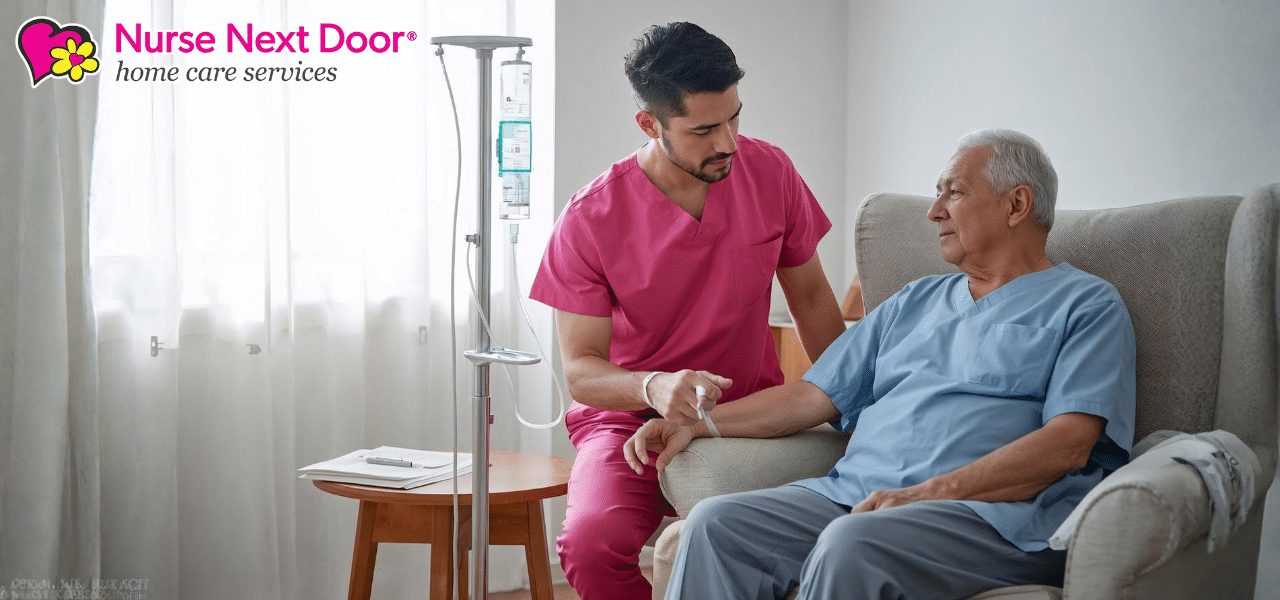
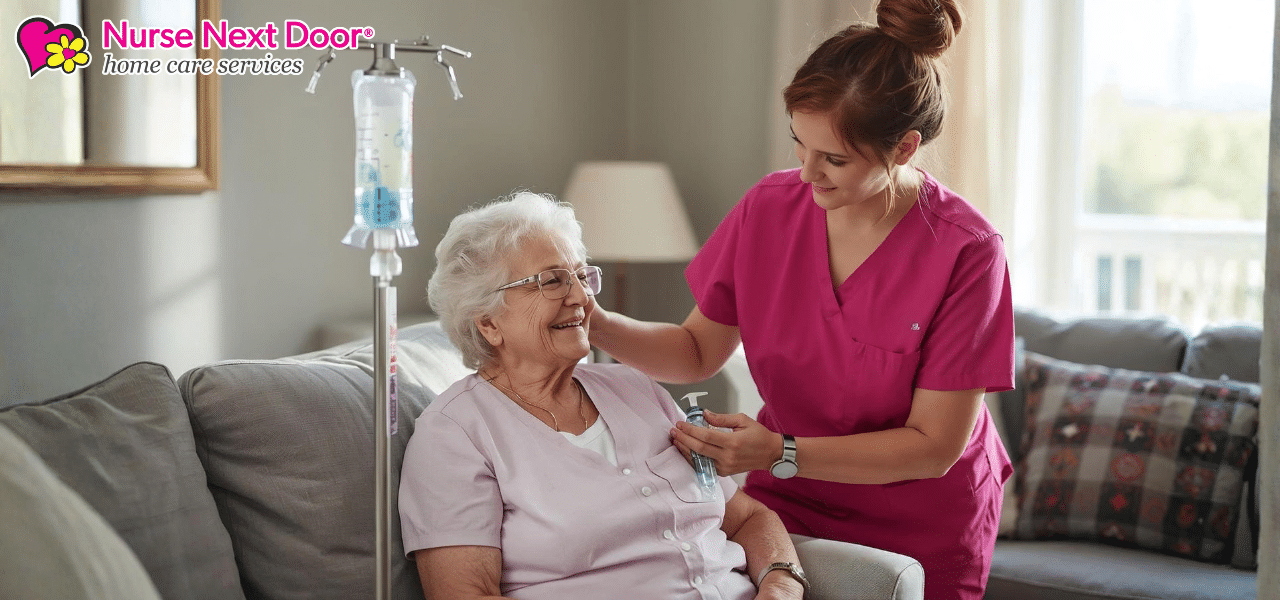
So what might a comprehensive care plan look like? It combines medical care with daily support. Professionals who provide in-home senior care help your loved one stay properly nourished and hydrated by:
- Monitoring food and liquid intake
- Grocery shopping
- Preparing balanced meals that are easy to eat
- Including favorites and cultural preferences
- Assisting with feeding
- Medication reminders
- IV therapy administered by Registered Nurses (RN) if prescribed by a doctor
But just as important as all of these, professional caregivers create a safe, supportive environment where the senior is encouraged to eat regularly and stay hydrated.
Why Choose Nurse Next Door McLean
Combining in-home senior care with appropriate skilled nursing support empowers families to take a broader approach to healthy weight management for their loved one. Nurse Next Door McLean offers individualized care plans that are designed to meet each senior’s needs. Our Registered Nurses (RNs) are highly trained in administering IV nutrient therapy safely at home. They adhere to the highest professional standards of hygiene and safety during IV therapy. If your senior loved one is struggling to maintain a healthy weight and you want to learn more about IV nutritional therapy, reach out to Nurse Next Door today at (703) 774-9421 to book a free Caring Consult today.
Frequently Asked Questions
Is IV nutrient therapy safe for seniors?
When administered by a trained and experienced Registered Nurse (RN), it is absolutely safe.
Can IV nutritional therapy help with weight gain or loss?
Although it does not directly affect weight loss or gain, it does support hydration and nutritional levels, which help stabilize weight over time.
How often is IV therapy needed?
The frequency varies, depending upon the person’s individual health needs. The schedule should be prescribed by a doctor.