4 Ways to Help Seniors Avoid Back Pain
Companion Care
 By Nurse Next Door June 3, 2026
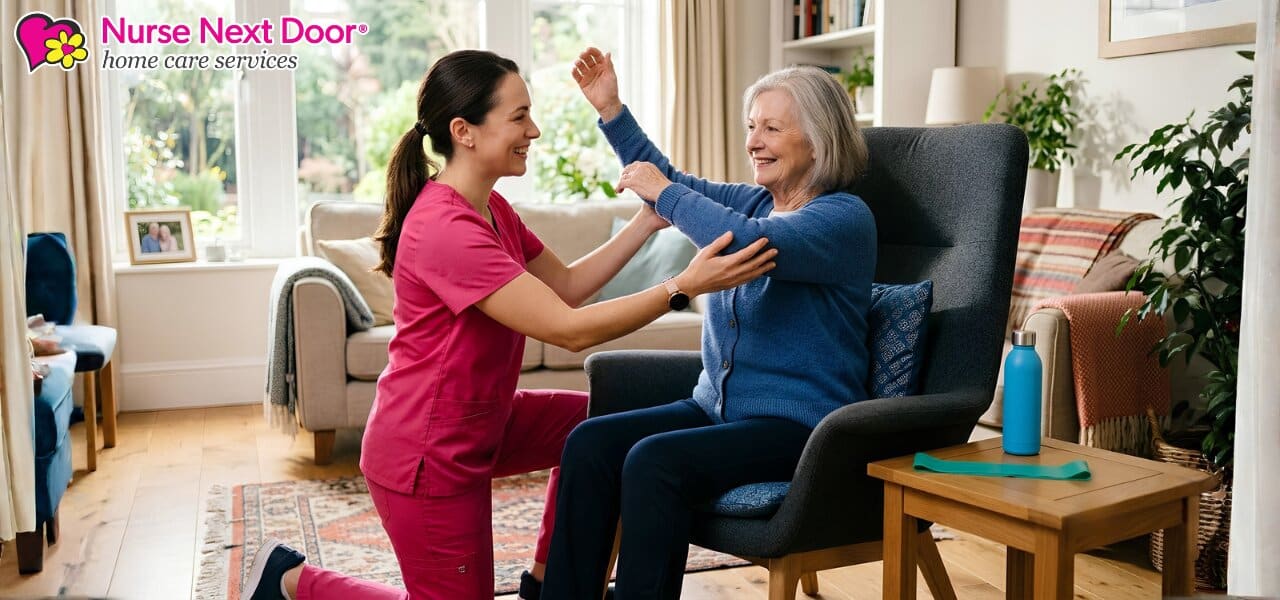
Back pain is one of the most common health issues that seniors face. A National Health Interview Survey mentioned by the CDC, revealed that over 45% of seniors experienced back pain. It can affect the independence, confidence, and quality of life of seniors. From getting out of bed to enjoying a walk around the neighborhood, ongoing back pain or discomfort can make daily life much harder. However, most cases of back pain in seniors are preventable or manageable with the right habits, support, and some extra care at home. In this guide, we will explore four proven ways to help seniors avoid back pain. We will also share how senior personal care services in Northern Virginia can help your loved ones live more comfortably and independently at their home in Oakland, McLean, Reston, Fairfax, and other communities across Northern Virginia.
Why Is Back Pain So Common Among Seniors?
Back pain is linked to certain changes in the body that develop as we grow older. Understanding the root causes of back pain is the first step to preventing it. The World Health Organization (WHO) lists low back pain as the leading global cause of years lived with disability and its prevalence increases with age. Several factors contribute to higher back pain risk in seniors:
- Spinal disc degeneration: the cushions between vertebrae naturally thin and dry out with age.
- Osteoporosis: reduced bone density can lead to small spinal fractures, even from minor stress.
- Arthritis: inflammation in the spinal joints causes chronic stiffness and pain.
- Muscle loss (sarcopenia): weaker core and back muscles strain the spine.
- Reduced flexibility: stiff joints and tight muscles limit safe movement.
- Sedentary lifestyle: sitting for long periods compresses the lower back.
Chronic back pain is not just uncomfortable. It is closely linked to falls, sleep problems, depression, and loss of independence. According to the National Council on Aging, chronic back pain affects approximately 16 million adults in the US.
How to Help Seniors Avoid Back Pain
The following strategies can dramatically reduce the risk of back pain among seniors.
Way #1: Daily Stretching and Gentle Exercises
Movement is medicine, especially for aging spines. Experts recommend that seniors should engage in regular physical activity, including exercises for:
- Endurance
- Strength
- Balance
- Flexibility
With this approach, they can maintain muscle health and protect the back.
Best Low-Impact Exercises for Seniors
Gentle and consistent activity helps far more than occasional intense workouts. Some the the recommended options include:
- Walking 20 to 30 minutes a day improves circulation and spine health.
- Water aerobics and swimming reduce joint strain while building muscle strength.
- Chair yoga and tai chi improve balance and flexibility, supporting fall prevention.
- Gentle stretching such as knee-to-chest stretches, pelvic tilts, and cat-cow movements are also beneficial.
Has your loved one been advised to undergo physical therapy by a doctor? Do they need assistance with performing physical therapy exercises? Consider Nurse Next Door Mclean’s in-home physical therapy services.
The Importance of Early Physical Therapy for Stroke Patients
How Does Stretching Help?
Tight hamstrings and hip flexors are major hidden causes of lower back pain in seniors. A five-minute morning stretch routine can loosen these muscles, improve mobility, and reduce stiffness throughout the day. Many seniors also benefit from working with a physical therapy specialist who can design a personalized routine that is both safe and effective.
Tip: Before starting any new exercise routine, seniors should consult a doctor, especially if they have arthritis, osteoporosis, or recent injuries.
Way #2: Adopt a Good Posture and Use Mobility Support
Posture has a powerful effect on spine health. Slouching, leaning forward while walking, or hunching at a table can strain the muscles and discs of the lower and upper back. You should maintain proper alignment, i.e., ears over shoulders and shoulders over hips, to reduce back stress.
Posture Tips for Seniors
- Sit upright with both feet flat on the floor and lower back supported.
- Stand tall with weight evenly distributed on both feet.
- Avoid prolonged sitting by standing or moving every 30 minutes.
- Use ergonomic furniture with lumbar support, like a recliner with proper back contour.
Walking Aids and Mobility Assistance
Many seniors resist using a cane or walker, fearing it signals dependence. However, the right walking aid can prevent falls, ease back strain, and actually preserve independence. More than one in four adults aged 65 and older falls each year, and falls are the leading cause of injury in this age group. A properly fitted walker, cane, or rollator helps distribute weight evenly so the spine is not overloaded.
It’s important to ensure mobility aids are correctly sized and that pathways at home don’t have clutter or other tripping risks. Consider physical therapy and in-home senior care in Oakton, VA, to receive assistance with posture coaching, safe walking, and home safety adjustments. Doing so can help with maintaining long-term spine health and reduce the chance of injury.
Way #3: Lifting Things Safely and Modifying the Home
Many back injuries among seniors occur during everyday activities, such as picking up a grocery bag, lifting a grandchild, or moving a chair. Even light items can hurt the back if lifted incorrectly.
Safe Lifting Techniques
- Bend at the knees, not the waist.
- Keep the object close to the body.
- Use both hands for balance.
- Never twist while lifting and turn the feet instead.
- Ask for help when lifting heavy items.
Ergonomic Home Modifications
An ergonomic home means that it has been modified according to the needs, health condition, and preferences of the individual, making it more suitable and comfortable for them. It is among the best long-term investments in spine health. Consider these adjustments:
- A firm, supportive mattress that keeps the spine aligned during sleep.
- Pillows placed under the knees (for back sleepers) or between the knees (for side sleepers) to reduce pressure on the lower back.
- Chairs with armrests to support safe sitting and standing.
- Grab bars in bathrooms to prevent dangerous twists or falls.
- Frequently used items at waist level to avoid excessive bending or reaching.
These small home modifications can prevent painful injuries and help seniors continue living independently rather than transitioning to assisted living before it is necessary.
Way #4: Maintain a Healthy Weight and Opt for the Right Diet
Extra weight, especially around the abdomen, pulls the spine forward and increases pressure on the lower back. Studies indicate that high body mass index is a significant contributor to low back pain. Even modest weight loss can meaningfully reduce daily back strain.
Nutrition Tips
A nutrient-rich diet supports bones, muscles, and joints. Seniors should aim for:
- Calcium-rich foods: dairy, leafy greens, fortified plant milks (support bone density).
- Vitamin D: sunlight, salmon, eggs, and supplements (improve calcium absorption).
- Lean protein: chicken, fish, beans, tofu (support muscle strength).
- Anti-inflammatory foods: berries, olive oil, walnuts, turmeric.
- Plenty of water: spinal discs need hydration to stay cushioned.
Seniors should limit processed foods, excess sugar, and sodium, which contribute to the chronic inflammation associated with arthritis and back pain.
How Do Caregivers and Family Provide Support?
Seniors do not have to manage back pain alone. Caregivers, including family members and professional senior caregivers, play an essential role in keeping seniors active, comfortable, and safe. You should consider:
- Encouraging daily walks or gentle stretching routines.
- Providing assistance with safe lifting and reaching out for items.
- Ensuring home environments are clutter-free for fall prevention.
- Providing reminders for medications and physical therapy exercises.
- Offering companionship that motivates seniors to stay active.
Professional in-home home care services can also assist with bathing, dressing, and meal preparation, reducing the bending, twisting, and lifting that often trigger pain. This support helps seniors preserve their independence while reducing the risk of injury.
Warning Signs
While some types of back pain improve with the right care at home, some symptoms require prompt medical evaluation. Seniors and caregivers should contact a healthcare provider if back pain:
- Persists beyond a few weeks despite rest and gentle movement.
- Radiates down the legs or causes numbness or tingling.
- Follows a fall or injury.
- Is accompanied by unexplained weight loss or fever.
- Affects bowel or bladder control (this is a medical emergency).
- Disrupts sleep or daily function significantly.
Early intervention often prevents minor problems from becoming chronic back pain or permanent mobility issues.
Consider Nurse Next Door McLean
At Nurse Next Door McLean, we believe aging should never mean losing comfort, dignity, or independence. Our team provides compassionate, personalized senior care designed around each individual’s lifestyle, health needs, and goals. We support seniors across Oakton, McLean, Reston, Fairfax, and other communities across Northern Virginia with comprehensive services, including:
- Mobility assistance: safe transfers, walking support, and fall prevention
- Physical therapy
- Companionship and emotional support
- Medication reminders
- Daily activity support: bathing, dressing, meal prep, and light housekeeping
- Safety monitoring
We understand that protecting spine health and preventing back pain often comes down to the small daily details. Our trained caregivers and physical therapists are available at a time that suits you. We can help you or a loved one stay active, independent, and pain-free at home with personalized in-home senior care in Oakton, VA.
Contact Nurse Next Door McLean today at (703) 774-9421 for a free consultation and discover how our personalized care plans can lead your loved one to a happier and more comfortable life.
Conclusion
With daily stretching, the right exercises, good posture, safe lifting habits, and a nutritious diet, seniors can dramatically reduce their risk of back pain and maintain mobility, independence, and quality of life. Nurse Next Door McLean’s senior personal care services are available 24/7 to keep your loved ones safe, healthy, and comfortable at home. If they are already experiencing back pain or need assistance with performing physical therapy exercises, you can opt for our in-home physical therapy services.
Frequently Asked Questions
1. What is the most common cause of back pain in seniors?
The most common causes include age-related disc degeneration, arthritis, osteoporosis, weakened core muscles, and poor posture. Sedentary habits and previous injuries can also affect spine health.
2. Is it safe for seniors with back pain to exercise?
Yes. In most cases, gentle, low-impact exercise actually reduces back pain. Walking, swimming, chair yoga, and stretching are excellent choices. Seniors should always consult a doctor or physical therapist before starting a new routine.
3. How can caregivers help seniors avoid back pain?
Caregivers can assist with safe movements, encourage daily activity, ensure proper posture, remove fall hazards at home, and provide mobility support. Professional senior personal care services can also reduce the daily strain that often triggers back issues.
4. What is the best sleeping position for seniors with back pain?
Sleeping on the back with a pillow under the knees, or on the side with a pillow between the knees, helps maintain spinal alignment. A medium-firm mattress generally provides the best back support for seniors.
5. When should a senior see a doctor for back pain?
Seek medical care if back pain lasts more than a few weeks, follows a fall, radiates into the legs, is accompanied by weight loss or fever, or affects bladder or bowel control. These may signal a serious underlying condition that needs immediate attention.