Signs of Seasonal Depression in Seniors
Dementia Care
 By Nurse Next Door April 24, 2026
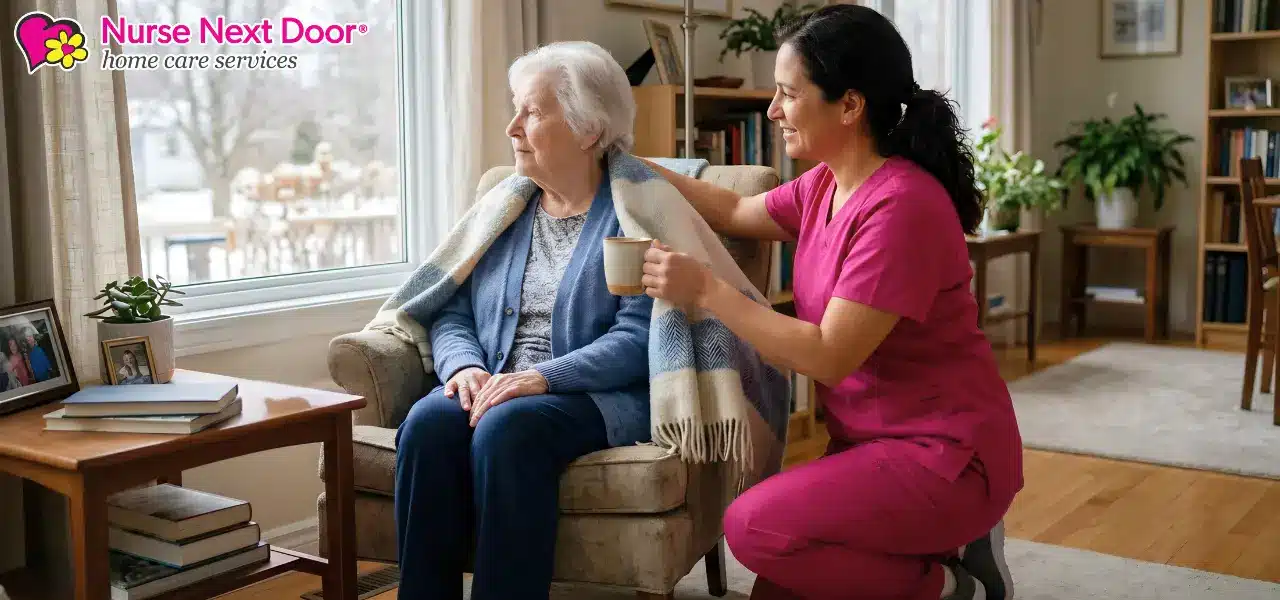
Approximately 5% of the US population experiences seasonal depression every year. Sometimes the first sign of seasonal depression is your loved one’s unusual silence. Your mother may stop calling her friends. Your father might stop going out for his walks in the morning. Seasonal depression often begins with gradually fading energy. In many cases, it can overlap with cognitive challenges, making senior dementia care in McLean an important part of supporting seniors during this time. Let’s understand seasonal depression in seniors, its signs, and how trusted home care providers like Nurse Next Door McLean can help you.
Understanding Seasonal Depression in Seniors
Do you know that seasonal depression is more common among seniors and women? Seasonal depression, which is often referred to as Seasonal Affective Disorder (SAD), often begins when daylight hours shrink or the seasons change. Seasonal depression typically doesn’t arrive suddenly. Instead, you sense small changes growing over a period of time.
For those who experience it, sleep routine changes and energy dips at strange hours. To them, some days may seem never-ending. Seniors often notice this change more than younger people. Many no longer stick to their usual schedule or social activities.
Physical Symptoms Associated with Seasonal Depression
Seasonal depression manifests itself in small physical changes such as:
- Sleeping more than usual
- Feeling drowsy during the day
- Growing appetite and gaining weight
- Feeling tired
- Headaches
However, the symptoms for seasonal depression in the fall/winter months differ from those during spring/summer. For example, sleep, appetite, and weight increase when the person is experiencing SAD in fall/winter, but they decrease in the depression linked with spring/summer. Those who are experiencing seasonal depression can find some relief through personalized in-home care for seniors.
Emotional and Behavioral Changes Families Should Watch For
Sometimes you can feel the changes in the conversation. Your parents are less interested in activities they used to enjoy and don’t socialize like they used to. Answers are shorter, and the enthusiasm in the voice is no longer what it used to be. They become easily frustrated, annoyed, or anxious. You may also notice a lack of focus and clear thinking.
Why Seniors Are More Vulnerable to Seasonal Mood Changes
With time, life gets less crowded, and there’s not much to do. Children have their own families and move elsewhere. Friends who used to visit a lot also slowly disappear from the routine. The empty house feels different when a long afternoon stretches on without any conversation or company. Certain circumstances also increase the chances of seasonal depression. For example, reduced mobility often leaves many seniors limited to their houses for long stretches of time. Spending less time outdoors means less exposure to sunlight, which can also contribute to depression. Chronic health conditions can sap the energy required for social activities.
Supportive Activities That Improve Mood
You don’t need elaborate plans to uplift the day. Start small. Share the morning coffee. Take a short walk when the sunlight has not yet dimmed. Even a few moments outside can change the mood of your parents. Music also makes a difference. Songs from long ago often bring back pleasant memories. Photo albums also help. A certain picture can lead to a memory that uplifts their mood. In-home care for seniors can assist your loved one with many of these activities.
How Outdoor Activities Improve the Mood of Seniors?
How Nurse Next Door McLean Helps Seniors with Seasonal Depression
Sometimes simply having another person in the room makes all the difference. The caregivers at Nurse Next Door McLean spend quality time with seniors to provide:
- Companionship
- Emotional support
- Assistance with activities they enjoy
From establishing daily routines to conversations that improve the mood, our caregivers have the training to help seniors thrive at home. Nurse Next Door McLean matches seniors with the most suitable caregivers who understand their unique needs. With personalized in-home care for seniors in Mclean that support various activities of daily living (ADLs), we empower seniors to make the most of their golden years and enjoy their lives to the fullest.
Call us today at (703) 774-9421 to schedule the initial consultation and visit.
FAQs
How to recognize signs of seasonal depression in seniors?
You need to monitor the daily routine of your parents. They might show less interest in activities and sleep more than usual.
What is the difference between depression and seasonal affective disorder?
Seasonal depression is linked to certain times of the year like fall/winter and spring/summer. On the other hand, general depression isn’t tied to the seasons.
Why is seasonal depression experienced by seniors?
Loneliness, health problems, limited mobility, less exposure to sunlight, and quieter routines can make seniors more susceptible to it.