Simple Sleep Strategies for Family Caregivers
Companion Care
 By Nurse Next Door May 19, 2026
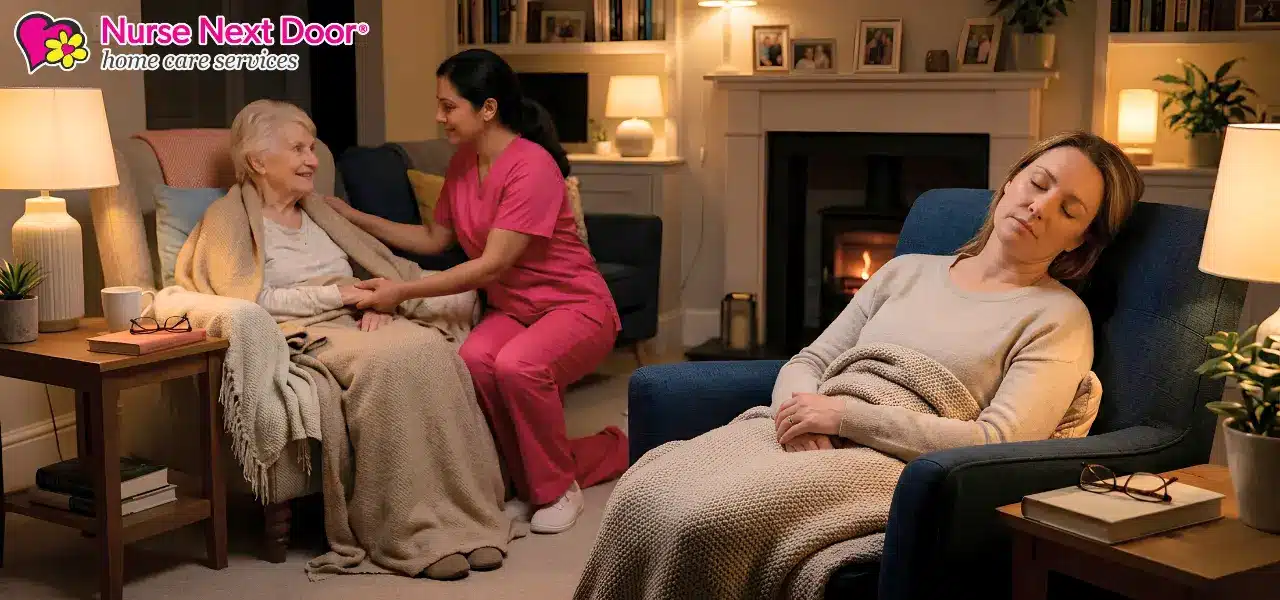
Studies indicate that approximately 76% of family caregivers experience poor sleep quality. Caring for an aging parent, spouse, or relative is one of the most loving things you can do, but it can also affect your sleep. If you wake up tired, lose track of what you were saying in the middle of the conversation, or lie in bed worrying about your loved one at 2 a.m., you are not alone. Sleep loss is one of the most overlooked side effects of caregiving, and it can affect your health long before you realize what is happening. But with a few small changes, family caregivers can establish healthy sleep habits. This guide shares some effective sleep strategies and helps you understand why you should reach out to a professional home care provider in Reston, Virginia, like Nurse Next Door McLean for support.
Why Do Family Caregivers Struggle With Sleep So Often?
Sleep deprivation among caregivers in Reston, Virginia, is more common than most families think. Caregivers often report insufficient sleep, and chronic sleep loss is closely tied to long-term health problems. A meta-analysis of 35 studies found that dementia caregivers lose between 2.42 and 3.5 hours of sleep per week compared to non-caregivers. There are several reasons sleep is affected during caregiving. The most common ones include:
- Nighttime caregiving duties, which include helping a loved one to the bathroom, repositioning, or managing medications.
- Hypervigilance, a constant feeling of being on duty that makes it hard to fully relax.
- Anxiety, thoughts, and worries about a loved one’s health, finances, or future.
- Sundowning behaviors: Caregivers often need to manage and prevent agitation and wandering in dementia patients after dark.
On top of all this, the lack of personal time leaves many caregivers working or worrying till late night, which pushes bedtime further.
Signs of Caregiver Burnout and Sleep Deprivation
Caregiver burnout often begins with sleep problems and grows from there. There are several warning signs every family caregiver should know. Watch out for these common symptoms:
- Trouble falling asleep, staying asleep, or waking too early
- Constant fatigue, even after a full night in bed
- Increased irritability, sadness, or emotional withdrawal
- Forgetfulness, brain fog, or difficulty concentrating
- Frequent headaches, body aches, or stomach issues
- Loss of interest in hobbies, friends, or self-care
If you’ve been nodding along while reading, please take it seriously. Sleep deprivation may be due to a medical issue that deserves attention.
Research indicates that approximately 4 in 10 caregivers are often unable to relax and experience loneliness. Recognizing these warning signs early gives you the chance to rest, ask for help, and avoid more serious health consequences down the road.
Adopt These Nighttime Routines to Improve Sleep
A consistent nighttime routine is one of the most effective sleep strategies available to caregivers. According to the Sleep Foundation, people who follow a certain wind-down routine fall asleep faster and wake less often during the night. You can try this 30-minute caregiver wind-down:
- Dim the lights about an hour before bed to support natural melatonin production.
- Step away from screens: phones, tablets, and TV all delay sleep.
- Take five minutes to prepare for tomorrow (medications, clothes, breakfast).
- Do something calming like light stretching, reading, or a warm shower.
- Practice slow breathing: inhale for 4 seconds, hold for 4, exhale for 6.
If you’re caring for a loved one with dementia, follow the same routine for them too. Dim the lights earlier in the evening, play soft music, and avoid stimulating activities after dinner. When their nighttime behaviors calm down, your own sleep usually improves along with it.
How Does Respite Care Enable Caregivers to Get More Rest?
You certainly cannot care for someone else when you’re running on three hours of sleep. This is where respite care steps in as the solution. Respite care provides short-term, professional support so family caregivers can rest, run errands, or breathe without worry.
Respite services can be hourly, overnight, or for several days, depending on what the family needs. Many caregivers find that even one full night of uninterrupted sleep per week dramatically improves their mood, focus, and physical health.
Opting for in-home senior care in Reston, VA, can be a practical way to introduce respite gradually, without the hassles involved in moving to a facility. Even a few scheduled hours a week can restore your sleep cycle and prevent burnout.
Recommended Sleep Habits for Caregivers
Healthy sleep habits, which are also known as sleep hygiene, are small daily choices that protect your sleep and rest. The CDC recommends a few tips that work especially well for busy caregivers:
- Keep a consistent schedule. Go to bed and wake up at the same time, even on weekends.
- Limit caffeine after noon. It stays in your system for up to 10 hours.
- Make your bedroom ideal for sleep. Cool, dark, and quiet works best (ideally around 65°F).
- Avoid alcohol as a sleep aid. It helps you fall asleep but disrupts deep, restorative sleep.
- Get morning sunlight. Even 10 minutes outside helps reset your body clock.
As a family caregiver, consider using a monitor or motion sensor instead of staying physically alert all night long. Letting technology share the load can help you avoid hypervigilance and allow your nervous system to settle into deeper sleep.
Nutrition and Stress Reduction for Better Sleep
What you eat and how you manage stress directly affects how you sleep. Studies show that chronic stress raises cortisol, the hormone that keeps your body in alert mode. High cortisol levels make falling asleep harder and lead to waking up early in the morning. A few habits can make a noticeable difference:
- Eat a light, protein-rich dinner at least 2–3 hours before bed
- Include sleep-supporting foods like oats, almonds, bananas, kiwi, and yogurt
- Stay hydrated during the day, but don’t drink too much water 90 minutes before bed
- Practice meditation or guided breathing using smartphone apps
Even a little self-care, such as a relaxing cup of tea, walking while listening to a podcast, or 10 minutes alone, can help your nervous system recover. Caregivers who combine physical self-care with emotional support tend to sleep deeper and longer.
When Should Caregivers Opt for Professional Support?
Some sleep issues require more than lifestyle changes. If you’ve been struggling for weeks despite your best efforts, it’s time to talk to a healthcare provider. Consider professional evaluation when:
- You can’t fall or stay asleep at least 3 nights a week for over a month
- You feel persistently sad, hopeless, or detached
- You experience panic attacks, chest pain, or shortness of breath
- You use alcohol or sedatives to fall asleep
- You’ve had thoughts of harming yourself or feel unable to continue caregiving
Doctors may advise cognitive behavioral therapy for insomnia (CBT-I), which is also recommended by the National Institutes of Health (NIH). Therapists, counselors, and caregiver support groups can also ease the emotional load that contributes to poor sleep.
Consider Professional In-Home Care to Reduce Caregiver Stress
Professional home care services give family caregivers a reliable way to receive daily and nighttime support. Opting for personal senior home care doesn’t mean you’re failing as a caregiver. It means you’re choosing a solution that protects everyone in the family. Trained caregivers can help with:
- Bathing, dressing, and mobility assistance
- Medication reminders and meal preparation
- Companionship and cognitive engagement
- Overnight monitoring and dementia care
- Transportation to medical appointments
Studies consistently show that caregivers who receive professional support report lower stress, better sleep, and improved physical health.
Explore Nurse Next Door McLean’s In-Home Care Services
For families in Northern Virginia, Nurse Next Door McLean is one of the most trusted names in personalized senior home care. Serving McLean, Vienna, Oakton, Reston, Great Falls, Arlington, and surrounding communities, their team of licensed RNs, LPNs, CNAs, and trained caregivers offers 24/7 support. From personal care and companionship to respite care, skilled nursing, and overnight monitoring, Nurse Next Door McLean brings comprehensive support to your loved one at home. What makes Nurse Next Door McLean the ideal choice for sleep-deprived family caregivers is their flexible model, which means you can bring in trusted help for just a few hours a week or full overnight shifts whenever you need rest. We can help you improve your sleep, reduce burnout, and stay healthy enough to keep caring for the people you love. Reach out to us now at (703) 774-9421 to schedule the first visit.
FAQs
How many hours of sleep do family caregivers actually need?
Most adults need 7 to 9 hours of quality sleep each night, according to the Sleep Foundation. Caregivers should aim for at least 7 hours of mostly uninterrupted sleep to support immune function, mood, and decision-making.
What are the first signs of caregiver burnout?
Early signs include trouble sleeping, ongoing fatigue, irritability, forgetfulness, and emotional withdrawal.
How can dementia caregivers sleep better at night?
Establish a calm evening routine for your loved one, reduce stimulation after dinner, and consider overnight respite care. Nurse Next Door McLean can provide the support you need to improve your sleep quality.
Is respite care worth it for family caregivers?
Yes. Respite care gives family caregivers time to rest, recover, and re-engage with their own lives. The National Institute on Aging recommends respite as a key way to prevent burnout and protect long-term health.
What foods help caregivers sleep better?
Foods that can support sleep include almonds, oats, kiwi, yogurt, bananas, turkey, and tart cherries. Many of these contain natural melatonin or magnesium. A balanced evening meal helps stabilize blood sugar overnight for deeper sleep.
When should I ask for professional help with caregiving?
Reach out for help if you’re sleeping poorly for weeks, feeling hopeless, or struggling to keep up with daily tasks. Professional in-home care and caregiver support groups can improve your sleep quality.
Conclusion
Sleep is the foundation that makes good caregiving possible. By adopting the habits discussed in this article, considering professional respite care, and asking for help when you need it, you protect both your loved one and yourself. You are doing one of the hardest jobs in the world. You deserve rest, support, and the chance to feel like yourself again.