How to Recognize Early Signs of Hearing Loss in Seniors
Companion Care
 By Nurse Next Door June 9, 2026
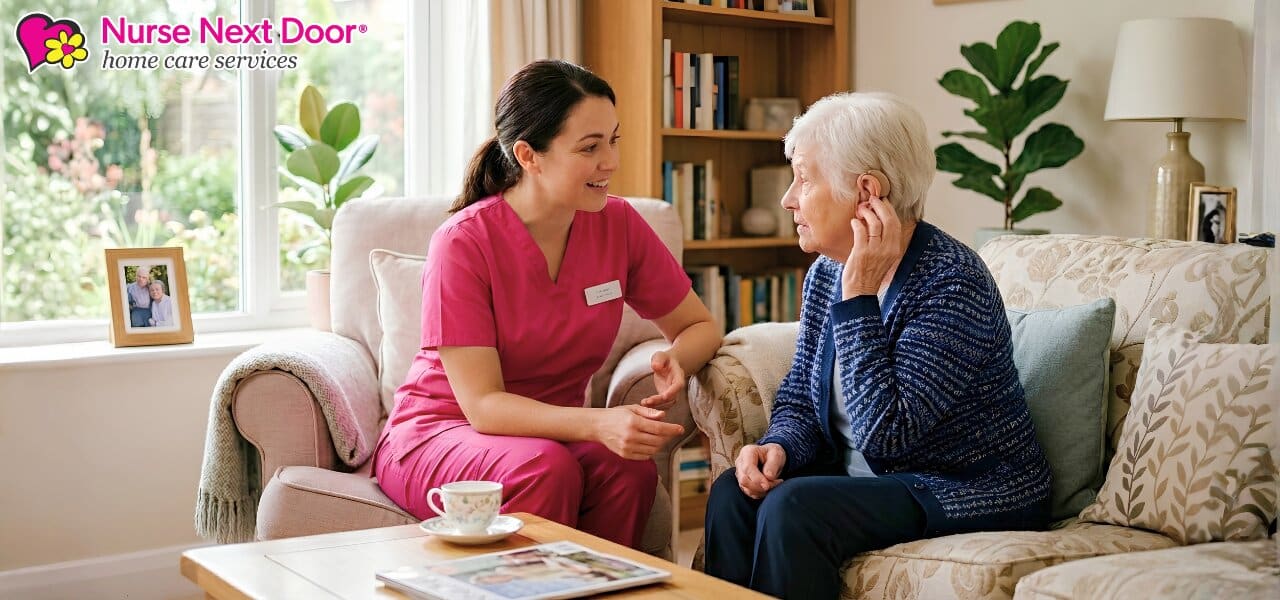
For many seniors, the changes related to hearing loss feel so gradual that they often aren’t aware of them. However, untreated hearing loss can affect everything from relationships and mental health to safety at home. Almost 68% of adults aged 70 and older in the United States have some degree of hearing loss. Recognizing the early signs of hearing loss in seniors helps families take timely steps to improve their loved one’s quality of life. Early interventions can slow further decline, protect cognitive health, and facilitate communication. Whether you are a son, daughter, spouse, or caregiver, this guide will help you spot the warning signs, understand the risks, and learn more about how professional in-home senior care providers in Mclean like Nurse Next Door can provide life-changing support.
What Is Hearing Loss and Why Is It Prevalent Among Seniors?
Do you know that hearing loss is the 3rd most common chronic physical condition in the U.S. among adults? It is a partial or complete inability to hear sound in one or both ears. In seniors, it usually appears as age-related hearing loss, also called presbycusis. This condition develops slowly as tiny hair cells in the inner ear wear down and stop sending sound signals to the brain properly.
According to the World Health Organization (WHO), more than 25% of those affected by disabling hearing loss are aged 60 or older. Several factors increase the risk for seniors:
- Natural aging of the auditory system
- Long-term noise exposure from work, machinery, or loud environments
- Chronic conditions such as diabetes, high blood pressure, and heart disease
- Frequent ear infections earlier in life
- Ototoxic medications known to harm hearing
- Family history of hearing problems
Because the change is so gradual, many seniors do not realize they have a problem until friends or family point it out.
Common Early Warning Signs of Hearing Loss in Seniors
Below are the most common early indicators and signs of hearing loss families should watch for:
1. Asking Others to Repeat Themselves Often
If your loved one regularly says “What?” or “Can you say that again?” during routine conversations, that is one of the common early signals of hearing loss. They may also misunderstand simple questions or respond in ways that do not match what was said.
2. Turning Up Volume Excessively
A volume that feels uncomfortable to everyone else in the room often points to hearing changes. Family members may notice they can hear the TV from another room.
3. Difficulty Following Conversations
Background noise makes it hard to follow conversations, but seniors with hearing loss may struggle more in such situations.
4. Trouble Using the Phone
Phone calls remove the visual cues people unconsciously rely on. Many seniors with early hearing loss start avoiding phone calls or ask others to make calls for them.
5. Unable to Hear High-Pitched Sounds
Presbycusis usually affects high frequencies first. Voices of women and grandchildren, doorbells, smoke alarms, and birdsong can all become harder to hear.
6. Ringing or Buzzing in the Ears (Tinnitus)
Tinnitus is often one of the first signs of hearing loss in seniors. It may sound like ringing, buzzing, hissing, or roaring and can come and go.
7. Social Withdrawal
When conversations become too tiring, seniors often withdraw. If a loved one who used to be social suddenly avoids family events, the cause may not be mood but hearing loss.
8. Mishearing Words That Sound Alike
Words like “fifteen” and “fifty” or “share” and “chair” may lead to confusion in everyday discussions.
Emotional, Physical, and Social Effects of Untreated Hearing Loss
Untreated hearing loss is not just an inconvenience, but it also has serious consequences for your loved one’s overall well-being.
Emotional effects: Frustration, embarrassment, anxiety, and depression are common. Seniors may feel left out of conversations or worry about appearing confused.
Cognitive effects: Research indicates that hearing loss is a modifiable risk factor for dementia in midlife.
Physical effects: Hearing loss is linked to a higher risk of falls. When the brain is overloaded trying to interpret sound, balance and awareness about the surroundings suffer. Not hearing warning sounds, such as alarms, traffic, and footsteps, also raises the risk of accidents at home.
When Should You Seek Professional Help?
Many families wait too long, hoping the problem will not progress. However, hearing care experts agree that early intervention produces the best outcomes. Schedule an appointment with a doctor or audiologist if your loved one:
- Asks you to repeat what you have said multiple times each day
- Misunderstands phone conversations frequently
- Withdraws from social activities they once enjoyed
- Experiences sudden hearing loss in one or both ears (this is a medical emergency)
- Has persistent tinnitus
- Reports dizziness, ear pain, or drainage
A professional hearing screening is quick and painless.
Tips and Strategies for Seniors with Hearing Loss
While age-related hearing loss cannot always be prevented, some habits can slow its progression and protect remaining ability to hear.
- Limit exposure to loud noise: Use earplugs at concerts, while mowing the lawn, or near machinery.
- Keep headphone volume moderate: A good rule is to keep it below 60% of the maximum level.
- Manage chronic conditions: Controlling diabetes, hypertension, and cholesterol supports inner-ear health.
- Avoid cotton swabs: They can push wax deeper and damage the ear canal.
- Treat ear infections promptly to prevent permanent damage.
- Schedule annual hearing screenings after the age of 60.
- Stay socially active: Conversations keep the auditory part of the brain engaged.
- Consider hearing aids early: Modern hearing aids are smaller, smarter, and more comfortable than ever, and early use produces the best results.
How Can Caregivers and Home Care Providers Help Those with Hearing Loss?
Family members and senior caregivers play a key role in helping seniors manage hearing difficulties. Caregivers can take the following steps:
- Speak slowly, clearly, and face-to-face so seniors can read facial cues
- Reduce background noise during meals and conversations
- Help seniors clean, charge, and properly use hearing aids
- Remind them to attend audiology appointments
- Watch for signs of frustration, withdrawal, or confusion
- Communicate hearing-related concerns to family and physicians
This is where professional home healthcare truly matters. In-home support means seniors do not have to leave familiar surroundings, and they receive personalized attention from someone trained to notice subtle changes. Quality senior personal care services can mean the difference between isolation and a more connected life. For families in Northern Virginia, in-home senior care in Arlington, Virginia, and the surrounding communities, provides a trusted alternative to assisted living facilities, allowing aging in place with dignity.
Consider Nurse Next Door McLean’s Services
At Nurse Next Door McLean, we believe aging should feel supported, full of life, and never lonely. Our compassionate caregivers deliver personalized senior care that is adjusted to match each client’s unique needs, including the everyday challenges of hearing loss. Here is how we make a difference for seniors and their families:
- Compassionate Caregivers: Our team is carefully selected, trained, vetted, and matched to each client. We focus on warm relationships.
- Companionship: Conversations, shared meals, hobbies, and outings keep seniors engaged and fight loneliness, which is a key concern for those with hearing challenges.
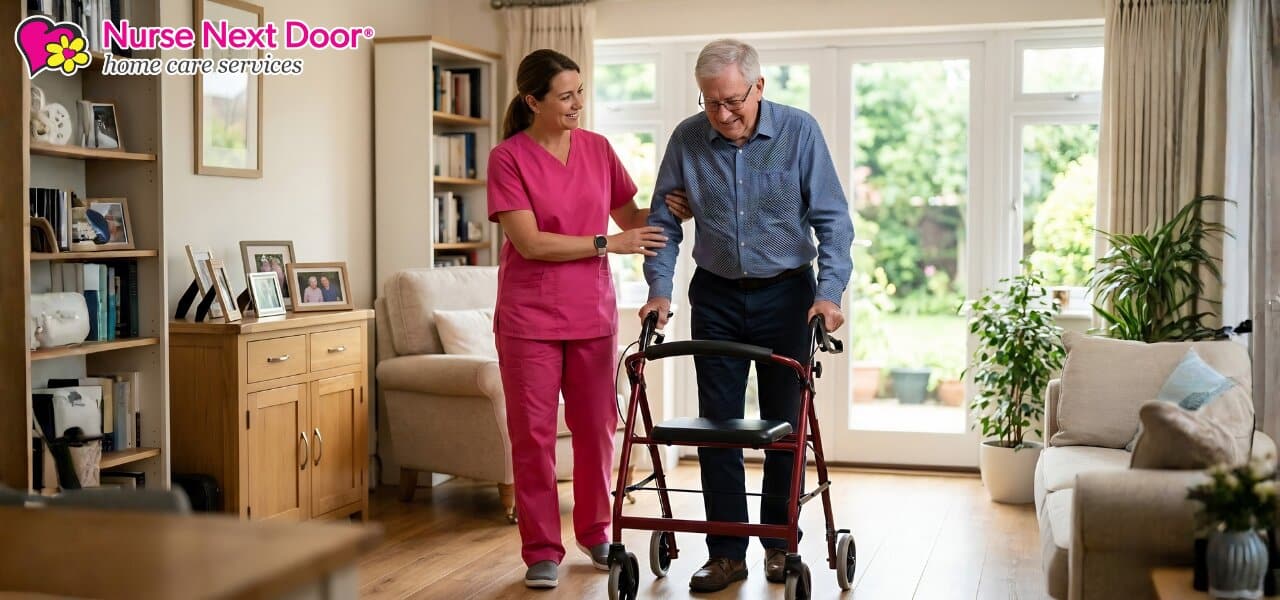
- Mobility Assistance: From walking support to help with transfers, we keep seniors safe and active.
- Medication Reminders: We help ensure prescriptions are taken on time and tracked correctly.
- Communication and Safety Monitoring: Our caregivers take steps to minimize fall risks, help with keeping your loved one safe at home, and facilitate communication.
- Daily Living Activities. Bathing, dressing, light housekeeping, and meal preparation are handled with kindness and respect.
Ready for the first visit? Contact Nurse Next Door McLean today at (703) 774-9421 for a free Consultation.
Frequently Asked Questions
At what age should seniors get their hearing tested?
Most audiologists recommend a baseline hearing test at the age of 50 and annual screenings after 60. Early detection allows for timely treatment and helps protect cognitive health.
Can hearing loss in seniors be reversed?
Age-related hearing loss is generally permanent because it involves damage to inner-ear cells that do not regenerate. However, hearing aids, assistive listening devices, and rehabilitation therapy can improve quality of life.
Is there a link between hearing loss and dementia?
Yes. Research indicates that hearing loss is one of the leading modifiable risk factors for dementia. Treating hearing loss early may help reduce the risk of cognitive decline.
How can in-home caregivers help seniors with hearing loss?
Professional caregivers help with clear communication, social engagement, medication reminders, and safety monitoring, leading to better outcomes for seniors with hearing difficulties.