When Is the Right Time to Start In-Home Elderly Care Services?
In-Home Care
 By Nurse Next Door April 1, 2026
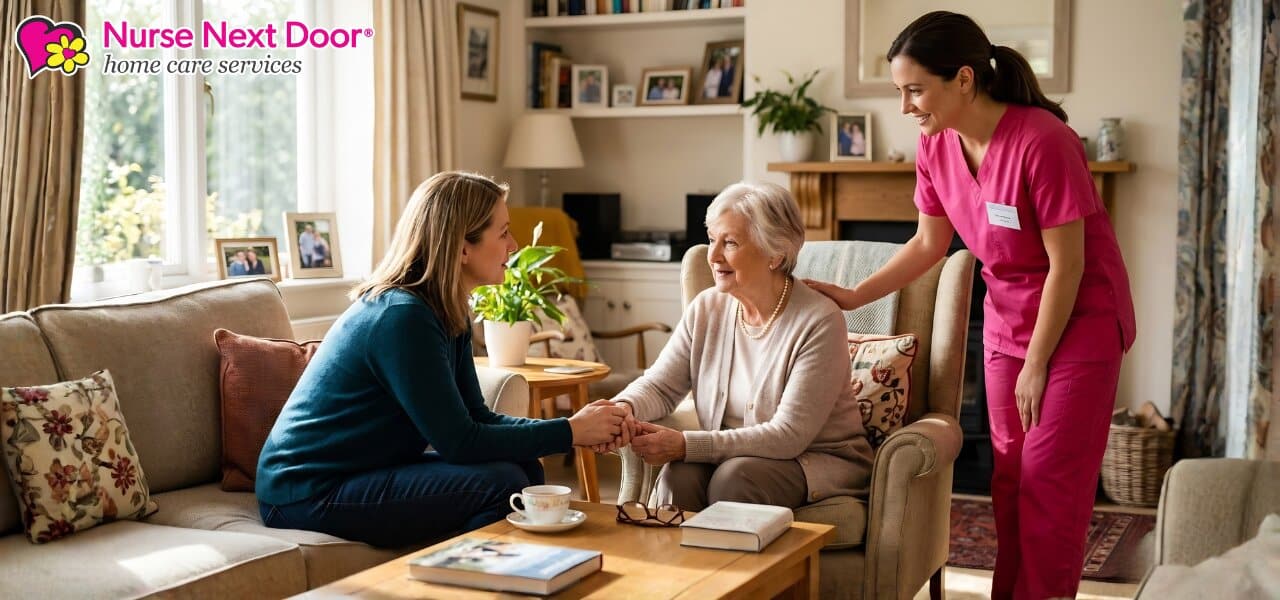
For many seniors and their families, the realities of getting older often mean that they need to accept professional support. But the type of care they need can vary, depending upon the specific situation, their medical condition, their goals, the resources and support system, and their preferences. According to the AARP, approximately 75% of adults who are 50 years old or older want to age in place, rather than move into an assisted living facility.
Sadly and too often, families hesitate to make this decision until the choice is taken from them by a fall, a hospitalization, or a medical emergency. At that point, they are responding to a crisis rather than proactively planning, and that means limited options. With 24-hour home elderly care services in Mclean from trusted providers like Nurse Next Door, your family can enjoy the comfort that comes from knowing that your elderly family member is in the best possible hands.
Early Signs That Support Is Needed
While there are many age-related changes that people accept as a normal part of getting older, there are specific patterns that indicate that they might need a higher level of support.
Activities of Daily Living (ADLs)
One of the first signs is difficulty managing everyday tasks. Your loved one may struggle with:
- Bathing and personal hygiene
- Getting dressed
- Using the toilet
- Cooking
- Cleaning
- Keeping appointments
- Falls and accidents
Frequent falls, accidents, and injuries are major red flags. Even minor falls are strong indicators of declining strength, balance, and coordination. What’s worse, the next fall could be far more serious. According to the CDC, falls are the leading cause of injury among seniors.
Cognitive Issues
Memory lapses, confusion, forgetting faces, or getting lost in familiar places are among the main indicators of Alzheimer’s disease or other forms of dementia. These changes can affect everything from personal safety to driving to their ability to handle their finances.
Medication Errors
Approximately 90% of older Americans take at least one medication. Keeping up with it all is often confusing, especially for those with poor vision or cognitive or memory issues. This often leads to many of them making medication errors. Missed medications or incorrect dosages can quickly turn serious or even life-threatening. Besides providing medication management services, Nurse Next Door McLean can also match clients with RNs who can safely administer in-home IV therapy.
Mobility Challenges
About 1 in 4 seniors struggles with mobility issues, specifically, serious difficulty walking or climbing stairs. This can also make it hazardous for them to get in and out of bed, chairs, or the shower. In such cases, you may opt for 24-hour home care services.
Chronic Health Conditions
According to the National Council on Aging, 93% of seniors live with at least one chronic condition, and 80% have two or more.
Some of these conditions include hypertension, heart disease, arthritis, and diabetes. Many of these conditions may also require the administration of in-home IV therapy by trained and experienced Registered Nurses (RNs).
Northern Virginia Nurse Next Door Is Your Most Trusted Local Resource
Northern Virginia Nurse Next Door is the most-trusted local resource for families needing 24-hour home care services in Northern Virginia. With our personalized services, you can be assured that your loved one is receiving the best, compassionate care.
From personal care and companionship to Alzheimer’s care or services like in-home senior IV therapy, Nurse Next Door McLean provides truly comprehensive and personalized services. We are committed to providing flexible care plans that are tailored to the needs of your loved one and family. If you’ve started noticing changes in a loved one, now is the time to act.
Call us at (703) 774-9421 to change and improve your mother’s or father’s life today.
Frequently Asked Questions
At what age do most people go into a care home?
While the needs of individuals can vary significantly, the average age of those residing at assisted living facilities is 86.9 years. However, many seniors are able to delay or avoid this transition with the right in-home support.
What early signs indicate a senior may need in-home care?
Common warning signs include frequent falls, poor hygiene, memory problems, difficulty managing daily tasks, and medication mistakes. Recognizing these signs early allows families to take effective steps.
What are the benefits of starting in-home care early?
Early intervention improves safety, supports independence, and leads to better overall health outcomes. It also allows seniors to adjust gradually to care, making the transition smoother and less stressful for everyone involved.